
14 Jun Understanding Myofascial Pain Syndrome: Causes, Symptoms, and Treatment Options
Myofascial pain syndrome affects many people worldwide. It causes aching muscles and long-lasting discomfort. If your muscles hurt or feel tender, you may have myofascial pain syndrome. This article explains its causes, signs, and treatments. We help you see the links between symptoms and relief.
What Is Myofascial Pain Syndrome?
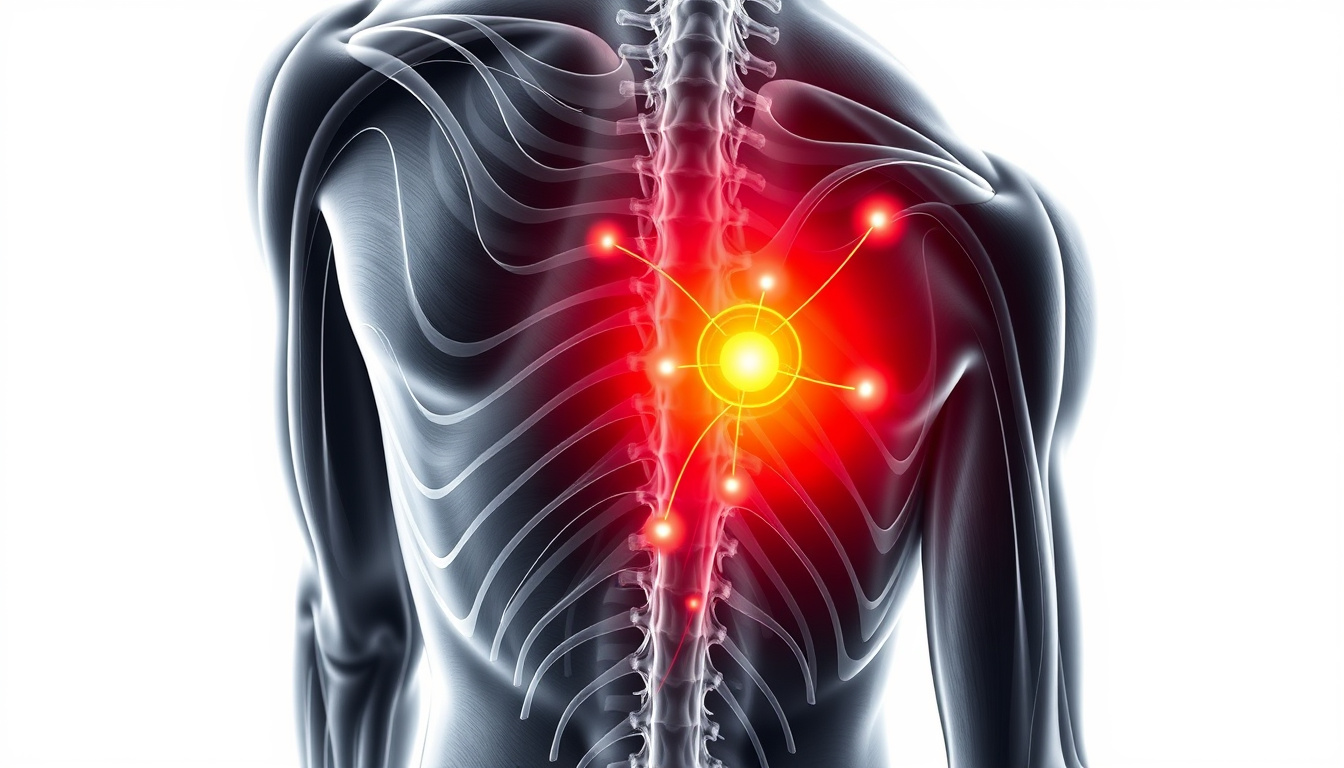
Myofascial pain syndrome is a condition that marks hard, tight spots in muscles. These spots, called trigger points, hurt when pressed and can send pain to other areas. The word “myofascial” joins muscles (myo) and the tissue around them (fascia). When these parts get stressed or injured, pain can spread.
People often mix up this syndrome with other muscle problems. Yet, its trigger points and pain patterns set it apart. Anyone may get it, especially if used muscles repeat motions or suffer strain.
Causes of Myofascial Pain
Understanding what causes myofascial pain helps you manage it. Many factors build trigger points and pain. They include:
- Muscle Overuse or Repetitive Strain: Repeating the same motion can wear muscles down.
- Injury or Muscle Trauma: A sudden fall or accident can twist a muscle into a knot.
- Poor Posture: Bad posture makes some muscles work harder, causing tightness.
- Stress and Anxiety: Stress makes muscles contract, which may start a trigger.
- Lack of Physical Activity: Sitting too much weakens muscles and makes them prone to knots.
- Nutritional Deficiencies: Missing nutrients like magnesium harm muscle function.
- Underlying Medical Conditions: Other issues, like fibromyalgia, raise the chance of pain.
Often, myofascial pain comes from a mix of these causes. Finding the root is key to treating it.
Recognizing the Symptoms of Myofascial Pain Syndrome
The main sign of myofascial pain syndrome is the trigger point. These spots, found in tight bands, hurt when touched. Common signs include:
- Persistent Muscle Tenderness: Muscles may ache or burn.
- Presence of Trigger Points: You can feel small knots in the muscle.
- Referred Pain: Pain can spread from the trigger point to nearby areas.
- Limited Range of Motion: You may find it hard to move a tight muscle.
- Muscle Weakness: Your strength might seem low, along with function.
- Muscle Stiffness and Tightness: These issues often feel worse in the morning or after movement.
These clues sometimes match other conditions. That is why a clear check from a professional is important.

Diagnosing Myofascial Pain Syndrome
A doctor checks your muscles to look for trigger points and tightness. They perform these steps:
- Palpate Trigger Points: They press spots in your muscle to find tenderness.
- Assess Range of Motion: They test how far you can move.
- Review Medical History: They ask about past injuries and other pain causes.
No lab test alone confirms myofascial pain syndrome. Some experts might use imaging techniques or EMG. Seeing a physiotherapist or pain specialist may help get the right answer.
Treatment Options for Myofascial Pain Syndrome
The good news is that you can treat myofascial pain syndrome. Many approaches help ease pain and bring back movement. A treatment plan may use several methods tailored to you:
1. Manual Therapy
- Myofascial Release: A gentle press on trigger points helps free the tight tissue.
- Massage Therapy: A massage can loosen muscles and reduce knots.
- Dry Needling: Fine needles go into trigger points to lessen the pain.
2. Physical Therapy Techniques
- Stretching Exercises: These help lengthen muscles and ease tension.
- Posture Correction: Good alignment can reduce strain.
- Strengthening Exercises: They boost weak muscles so that knots do not return.
3. Medical and Pharmacological Interventions
- NSAIDs or Pain Relievers: These drugs lower inflammation and pain.
- Muscle Relaxants: They ease severe muscle tightness.
- Trigger Point Injections: Anesthetic or corticosteroids go directly into troublesome spots.
4. Self-Care and Lifestyle Modifications
- Stress Management: Methods like yoga or meditation ease muscle tension.
- Adequate Rest and Sleep: Rest helps tissues recover.
- Ergonomic Adjustments: Better setups at work or home stop repeated strain.
5. Alternative Therapies
- Acupuncture: Thin needles may reduce pain and relax muscles.
- Ultrasound Therapy: This tool helps heal tissues.
- Biofeedback: Training builds better muscle relaxation.
Practical Tips for Managing Myofascial Pain
Here is a quick list of effective self-care steps:
- Apply heat or cold packs to warm or cool tight muscles.
- Maintain good posture during everyday life.
- Perform gentle stretching on sore muscles.
- Stay active with low-impact moves like walking.
- Practice stress-relief techniques to keep muscles relaxed.
Frequently Asked Questions About Myofascial Pain Syndrome
Q1: What is the main cause of myofascial pain syndrome?
A: Repeating motions, injuries, bad posture, and stress make trigger points and cause pain.
Q2: How can I tell if I have myofascial pain syndrome?
A: You might see tender spots, feel pain spread, or run into stiffness. A professional helps confirm it.
Q3: Are there effective home remedies for myofascial pain?
A: Yes. Heat or cold packs, stretching, good posture, and stress relief can help. Still, it is best to talk with a doctor.
Why Understanding Myofascial Pain Is Key to Relief
Your body sends signals when muscles hurt. Knowing why myofascial pain happens lets you act fast. Quick care stops pain from lasting long and helps you feel better. Both professional treatments and small lifestyle changes add up to real relief.
It is best to work with a healthcare provider who knows muscles well. They design a plan that works for you. Do not ignore ongoing pain. Early actions bring hope and healing.
Take Action Today!
If you think you have myofascial pain syndrome, talk to a doctor. Find targeted therapies to regain control of your muscle health. Act now for lasting relief. Early care and a sound plan can help you lead a more active, pain-free life.
Sources:
National Institute of Neurological Disorders and Stroke. Myofascial Pain Syndrome. https://www.ninds.nih.gov
Taking small, clear steps can make a big difference. Look after your muscles today and move toward a future without pain!
Sorry, the comment form is closed at this time.