
09 Jul Mastering Manual Adjustment for Precise Control and Efficiency
In today’s fast-paced world, technology drives progress. Automatic systems and digital controls rule many industries. Yet manual adjustment stays crucial. It gives you precise control and helps you work better. If you work with machines, electronics, cameras, or manufacturing tools, manual adjustment brings detailed control that some automated systems lose. This article looks at manual adjustment and shares tips to use this skill for better results.
Understanding Manual Adjustment
Manual adjustment means you change a device’s settings by hand. You tune, calibrate, or change parts without pre-set automatic controls. You hold the tool and adjust it directly. This method needs knowing the equipment well and noting small differences.
Why Is Manual Adjustment Important?
Even when automation is widespread, manual adjustment remains key for several reasons:
- Precision: Automated systems work well in general. However, fine control usually needs a human touch.
- Customization: Manual adjustment tailors settings to fit specific tasks or environments.
- Troubleshooting: Hands-on changes help find issues that machines might miss.
- Cost-Efficiency: Careful manual calibration can cut waste, save energy, and extend equipment life.
Key Areas Benefiting from Manual Adjustment
Many fields benefit from manual adjustment. Seeing how it works can help you improve results quickly and accurately.
1. Machinery and Manufacturing
In automotive work or textile production, workers adjust machines by hand. They align parts to boost quality. A short tweak in speed, pressure, or alignment can make a big difference.
2. Photography and Videography
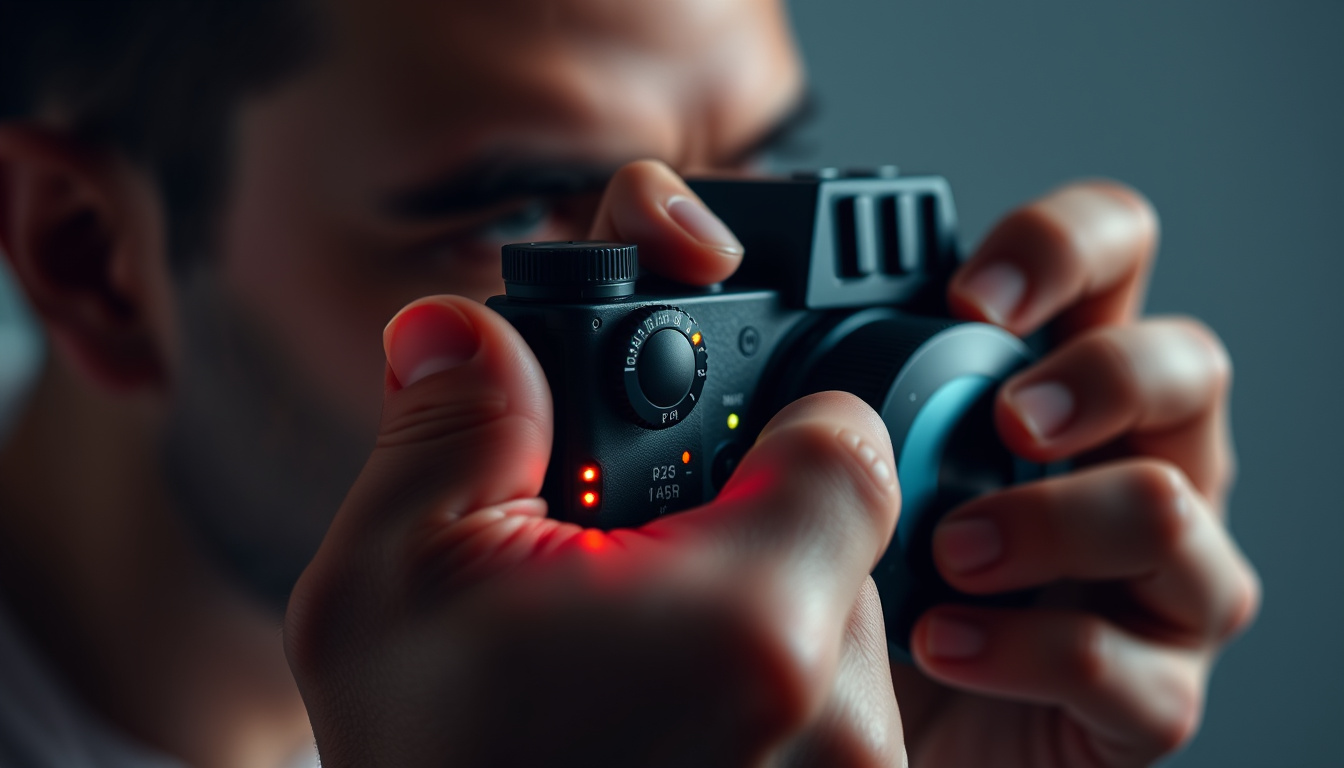
Photographers use manual adjustment to set exposure, focus, aperture, and white balance. A manual lens focus gives control in low light or tricky scenes where automatic focus might fail.

3. Electronics and Electrical Work
Technicians adjust resistors, capacitors, and other parts. They change circuits by hand. This hands-on tuning stops signal interference and brings out better performance.
4. HVAC Systems
Manual changes to thermostats, dampers, and valves help keep the right temperature and airflow. Doing this saves energy and makes the system last longer.
Steps to Mastering Manual Adjustment
To get really good at manual adjustment, you need knowledge, practice, and a careful mind. Try these steps:
1. Learn the Equipment Inside-Out
Know your tool or machine well. Read manuals, look at schematics, and follow guidelines. Understand why each part can be adjusted.
2. Develop a Systematic Approach
Change one setting at a time. Look at how each change works. Write down what you did and what you saw so you have clues for next time.
3. Use Appropriate Tools
Pick the right tools like screwdrivers, wrenches, or calibrators for the job. Tools such as calipers or micrometers boost accuracy when you adjust.
4. Practice Patience and Attention to Detail
Manual adjustment needs small, slow tweaks. Listen for sounds. Watch for vibrations and shifts. Let these clues guide your next step.
5. Embrace Continuous Learning
Stay updated with new techniques. Watch workshops or videos and ask experts. Ongoing learning builds skill over time.
Best Practices for Effective Manual Adjustment
Here are some ways to get the most out of manual adjustment:
- Clean and maintain the equipment before you begin.
- Use gloves or anti-static measures when handling delicate parts.
- Calibrate your measurement tools often.
- Check settings after each change.
- Work slowly. Rushing can lead to mistakes or damage.
Manual Adjustment Checklist
Use this list to make your process smooth:
- Find the areas that need adjustment.
- Gather the tools and documents you need.
- Turn off the equipment if safety calls for it.
- Take initial measurements or note the baseline.
- Make small, careful changes.
- Test after every change.
- Write down what you see.
- Confirm the equipment works well.
- Clean and put your tools away.
- Look over what you learned and update your steps.
Frequently Asked Questions About Manual Adjustment
Q1: What role does manual adjustment play in machine efficiency?
A1: Manual adjustment tweaks machine settings like speed, alignment, and pressure. These small changes cut waste, boost quality, and lengthen equipment life.
Q2: How is manual adjustment different from automatic settings?
A2: Automatic settings use pre-set programs for every situation. Manual adjustment lets you use your judgment and adjust based on what you observe.
Q3: Can manual adjustment be dangerous?
A3: Yes, if done incorrectly, it can harm the equipment or cause injury. Always use the right tools, follow safety rules, and get proper training.
The Science Behind Manual Adjustment
Manual adjustment works because humans notice small changes and adapt quickly. Machines can miss odd or unusual conditions. With a human in control, intuition and experience help manage complex tasks. Research from the National Institute of Standards and Technology shows that mixing manual techniques and automatic systems can boost precision in manufacturing.
Conclusion: Take Control with Manual Adjustment
Manual adjustment lets you control your tools and systems with precision. Whether you fix a camera lens, tune a machine, or calibrate electronics, your careful hands make a difference. Build your skill with practice, keep learning, and work slowly. Use manual adjustment alongside modern automation, and see better performance and savings.
Ready to improve your control and efficiency? Check the equipment you use each day and plan a time for manual adjustment. Learn your tools well and see your precision grow. Master manual adjustment to reach a new level of control—start today!
Sorry, the comment form is closed at this time.