
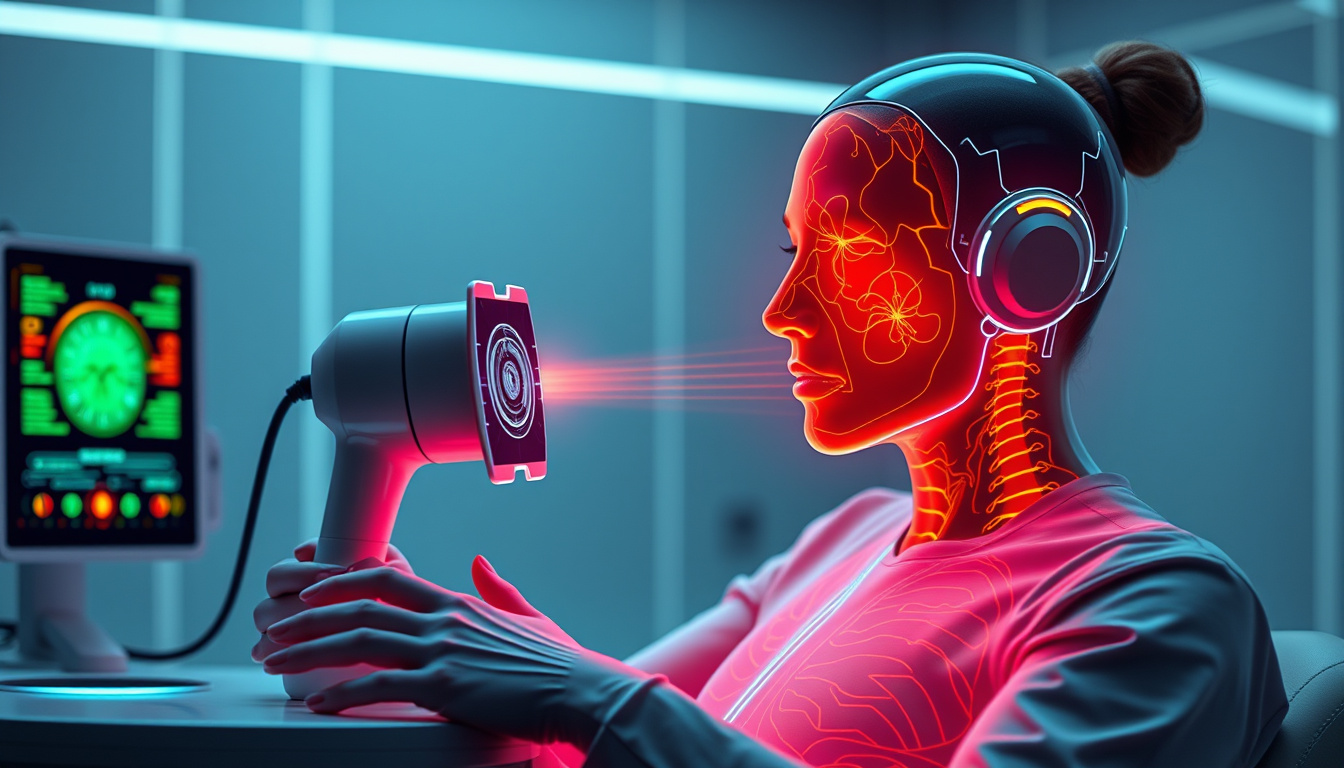
03 Aug Pain Diagnosis: Innovative Techniques Revolutionizing Patient Care Today
Pain diagnosis matters. It guides care. It shapes treatments and outcomes. Accurately finding pain’s source is hard. Pain feels personal and is tied to many body parts. New tools now ease this task. They help doctors see pain clearly. This article shows how new methods change care today.
Understanding Pain Diagnosis: The Foundation of Effective Treatment
Pain diagnosis finds the source, type, strength, and time of pain. Doctors once relied on pain scales, patient stories, and exams. These signals are close yet can lack hard facts. Pain mixes feelings, nerves, and culture. Such links may slow or confuse diagnosis and care.
New devices grab clear data on pain. They tell nociceptive pain from tissue harm and neuropathic pain from nerve injury. These tests help doctors tailor care to pain’s root cause.
Cutting-Edge Techniques in Pain Diagnosis
1. Quantitative Sensory Testing (QST)
QST tests how a patient feels heat, cold, pressure, or vibration. It checks nerve work in real time. This method spots faulty signals that exams alone may miss. QST sorts pain types and checks nerve damage quickly. Its safe design and repeat use make it key today.
2. Functional Magnetic Resonance Imaging (fMRI)
fMRI maps brain work during pain. It tracks blood flow and brings close the link between pain and brain circuits. This view shows how the mind shapes pain. With this tool, doctors add psychological insight to physical tests. Such close links help join treatments for the whole person.
3. Biomarker-Based Diagnostics
Researchers now seek chemical markers tied to pain. These tests check blood and fluid for proteins or enzymes that signal harm. Such markers point to inflammation or nerve injury. Early trials show markers can soon cut guesswork. They aid in cases like fibromyalgia or arthritis, adding firm facts to diagnosis.
4. Wearable Pain Monitoring Devices
Wearables now track heart rate, muscle tension, and skin signals. They record pain data in real life. Such close, on-the-go links help doctors map pain trends as they occur. They let patients see what triggers pain and help tailor care.

5. Artificial Intelligence and Machine Learning
AI inspects data from scans, tests, and patient notes. It sees small patterns that may slip past a human eye. Machine learning sorts pain types and levels with close precision. These smart tools soon may predict responses and suggest custom care, tightening the link between data and treatment.
Benefits of Innovative Pain Diagnosis Techniques
- Improved Accuracy: Hard facts cut errors and show true pain types.
- Personalized Treatment: Detailed pain links let care fit each person.
- Early Intervention: Quick, clear diagnosis stops pain from growing worse.
- Patient Empowerment: Real-time data puts control in patients’ hands.
- Better Outcomes: Tailored plans ease pain, boost life, and lower cost.
Challenges and Considerations
These new tools bring promise and limits. High costs, scarce access, and special training can tie progress. Routine use calls for standard rules for every group. Pain stays complex, so one test can’t hold all answers. Using several sharp tools together with full exams stays key.
Frequently Asked Questions About Pain Diagnosis
Q1: What is the significance of accurate pain diagnosis?
Accurate diagnosis guides treatment fast. It avoids extra tests and boosts relief. It helps doctors find pain’s source and choose the best fix.
Q2: How do technologies like QST enhance traditional pain assessment?
QST adds clear nerve data to old methods. It works with patient stories and exams. Its close checks reveal pain differences that aid treatment.
Q3: Can wearable devices replace clinical pain evaluations?
Wearables share real-world data but do not take the place of clinical checks. They add everyday details that work with doctor exams for a full picture.
Conclusion: Embracing Innovation for Superior Patient Care
New pain diagnosis methods improve care. From brain scans to AI, each tool brings close, clear data. They help doctors trace pain directly to its source and craft precise care. Patients deserve tests that go beyond old, vague ways. With these close links between facts and care, health providers can cut pain, lift life quality, and carve down costs.
If you or someone you love faces constant pain, see a doctor who uses these modern tools. Fast and clear pain diagnosis is the key first step to feeling better.
For more on pain diagnosis technologies, visit the National Institute of Neurological Disorders and Stroke (NINDS) website (source).
Sorry, the comment form is closed at this time.