
10 Aug Understanding Facet Syndrome: Causes, Symptoms, and Effective Treatments
Facet syndrome causes back pain. It is a common condition. It affects millions of people. The pain comes from the facet joints. These joints help move and stabilize the spine. They work together with each other. When they degenerate or get inflamed, pain follows. Understanding facet syndrome and its causes, symptoms, and treatments helps people with chronic back pain.
What Is Facet Syndrome?
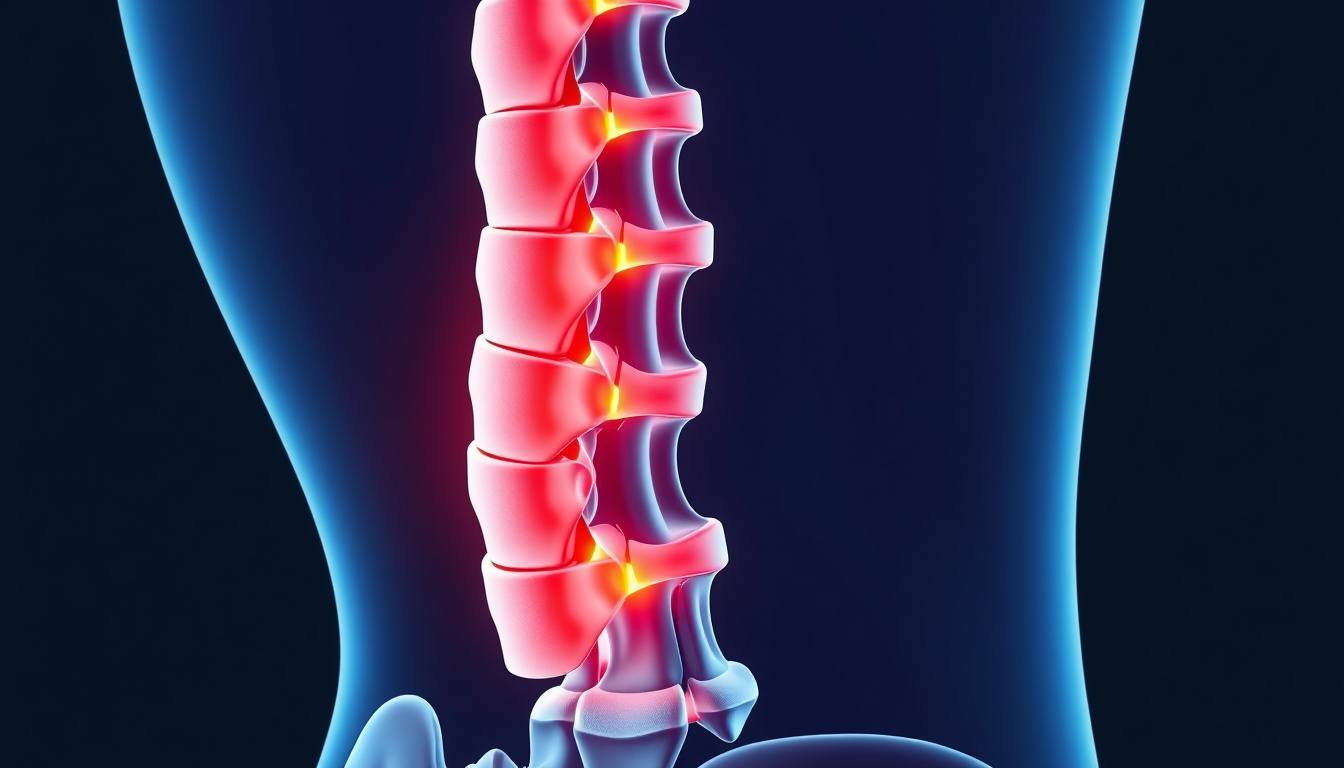
Facet syndrome means pain comes from the facet joints. These joints are small. They lie at the back of the spine. They connect one vertebra to the next. They allow bending and twisting. When they become inflamed, irritated, or worn, pain appears. Facet joints have cartilage. They hold synovial fluid to absorb shock and ease motion. Over time, or after an injury, the cartilage wears down. The joint capsule may also get inflamed. Then, facet syndrome emerges.
Common Causes of Facet Syndrome
Facet syndrome comes from spinal wear and tear. Other factors play a role:
-
Age-related degeneration:
With age, cartilage wears down. This natural loss makes the joints feel arthritis-like. It is called facet joint osteoarthritis. -
Spinal injury or trauma:
Accidents, falls, or repeated stress hurt the facet joints. This damage leads to inflammation and pain. -
Poor posture:
Holding poor posture for long times puts extra load on the joints. This extra load speeds up wear. -
Spinal instability:
Conditions like spondylolisthesis make one vertebra slip over another. This slip increases stress on the joints. -
Overuse:
Repeating movements or heavy lifting overworks the facet joints. Overuse adds to inflammation.
Knowing these causes lets patients and doctors choose the best ways to manage and treat facet syndrome.
Recognizing the Symptoms of Facet Syndrome
The symptoms of facet syndrome resemble those of other back problems. Proper diagnosis helps clear the confusion. The symptoms include:
-
Localized pain:
The pain usually stays near the affected vertebrae. It shows up in the neck or lower back. -
Pain worsened by activity:
Movements like twisting or bending backward increase pain. Standing too long can also hurt. -
Stiffness:
The spine becomes less flexible. It may be hard to move or turn. -
Referred pain:
Pain can travel to the buttocks, thighs, or shoulders. It depends on the spine level. -
Muscle spasms:
Nearby muscles may tighten to protect the spine. This tightening adds pain.
Because these symptoms overlap with other issues, a careful evaluation is needed.
How Is Facet Syndrome Diagnosed?
Doctors use several steps to diagnose facet syndrome. They gather your history. They perform a physical exam. They use imaging scans. Each test adds a detail to the picture:
-
Physical examination:
The doctor looks at your spine. They feel for tender facet joints. They check which moves cause pain. -
Imaging tests:
X-rays, MRIs, or CT scans show joint wear or other changes. These images explain joint problems. -
Diagnostic injections:
A local anesthetic is injected into the joint. If pain fades, the facet joint is the source.
Each test builds a clear link between the pain and the facets.
Effective Treatments for Facet Syndrome
The aim is to lower pain, increase function, and slow joint wear. Treatments are simple and stepwise. They range from home care to small procedures.
Conservative Treatments
-
Physical therapy:
Specific exercises strengthen the spine muscles. They help correct the posture and add flexibility. -
Medications:
NSAIDs cut down inflammation and pain. Muscle relaxants ease tight muscles. -
Activity modifications:
Changing harmful movements protects the joints. Ergonomic updates help in daily life. -
Heat and cold therapy:
Heat relaxes tense muscles. Cold packs help reduce swelling. -
Weight management:
A healthy weight lightens the load on the spine.
Interventional Procedures
If basic methods do not work, doctors may try more direct methods:
-
Facet joint injections:
Corticosteroid shots go into the joint. They reduce inflammation and pain. -
Medial branch nerve blocks:
These injections target the nerves that serve the facet joints. They block pain signals. -
Radiofrequency ablation (RFA):
Heat from radio waves interrupts nerve signals. This gives longer pain relief.

Surgical Options
Surgery is rare for facet syndrome. It may be needed if the spine is very unstable or nerves are compressed. Surgeries like spinal fusion or decompression come into play only in advanced cases.
Lifestyle Tips to Support Spine Health
Healthy living helps protect your spine. Changes in daily habits also help. Try these tips:
- Sit, stand, and lift with good posture.
- Exercise with low impact, such as walking or swimming.
- Use chairs and mattresses that support the back.
- Avoid heavy lifting and repeated twisting.
- Add flexibility and core-strength exercises.
Frequently Asked Questions About Facet Syndrome
Q1: How long does facet syndrome last?
A1: The length varies. Some have a flare-up for weeks. Others deal with it for months. Treatment helps shorten pain periods.
Q2: Can facet syndrome be cured?
A2: Facet syndrome is a degenerative condition. It may not go away completely. Yet, treatments and lifestyle changes can manage the pain.
Q3: Is facet syndrome a form of arthritis?
A3: Yes, facet syndrome often involves arthritis in the facet joints. This is known as facet joint osteoarthritis.
Conclusion
Facet syndrome brings pain and limits daily life. Recognizing its causes and symptoms is important. Timely treatment can offer relief. A mix of home care and medical treatments works well for many.
If you have ongoing pain in your back or neck, do not ignore your symptoms. Talk with a healthcare professional. They can check if facet syndrome is the cause. Then, you can start a plan to move without pain and improve your well-being.
For more information, visit trusted sites like the American Academy of Orthopaedic Surgeons AAOS. Taking care of your spine begins with simple, informed steps.
Sorry, the comment form is closed at this time.