
12 Sep Dry Needling Benefits: How This Therapy Relieves Muscle Pain Quickly
Muscle pain disrupts your day. It lowers your quality of life. Many treatments exist. Dry needling stands out as popular and effective. This method eases tight muscles and trigger points fast. In this article, we explain dry needling benefits, how it works, and what to expect during treatment.
What Is Dry Needling?
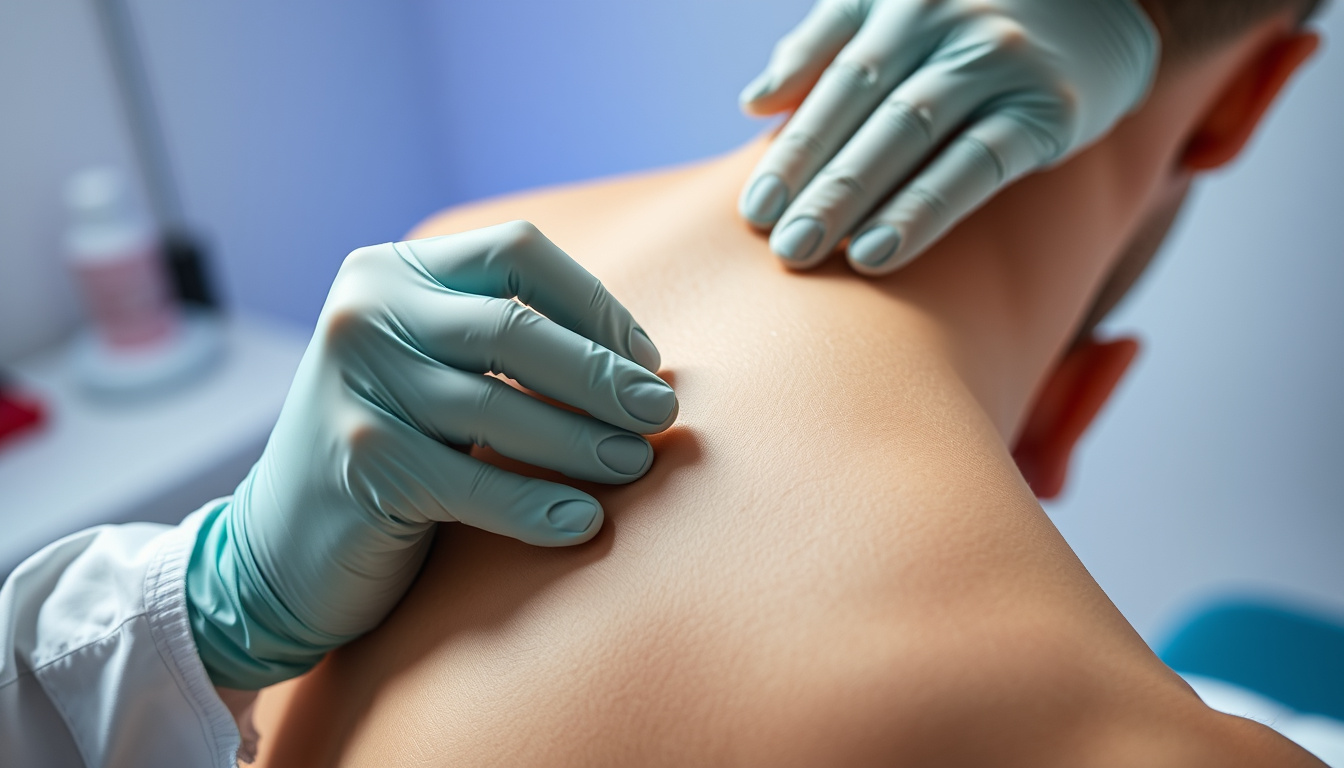
Dry needling uses thin, clean needles. Trained physical therapists insert these needles into tight muscle bands. The method targets trigger points. These trigger points—small, sensitive muscle knots—cause pain, stiffness, and motion limits. By using needles on these spots, dry needling releases muscle tension and restores function.
How Does Dry Needling Work to Relieve Muscle Pain?
When a needle touches a trigger point, it makes muscle fibers twitch. This twitch helps relax muscles and reduce inflammation. The treatment also increases blood flow. More blood helps healing and flushes out waste from the muscle. Dry needling also disrupts pain signals. By stopping these signals on their way to the brain, the pain level drops. These mechanical and nerve effects work together to ease pain fast.
Top Dry Needling Benefits for Muscle Pain
Dry needling has clear benefits over other treatments like medications or rest. Some key benefits are:
- Rapid Pain Relief: Many patients feel less pain right away or within a few days.
- Improved Range of Motion: Releasing tight muscles lets you move easier.
- Non-Pharmacological Treatment: It avoids risks from pain medications.
- Targeted Therapy: Needles hit the exact problem spots.
- Enhances Rehabilitation: When combined with exercise, recovery speeds up.
- Minimal Side Effects: You may feel slight soreness or bruising.
- Versatile Use: It works for back pain, neck pain, tennis elbow, plantar fasciitis, and more.
What to Expect During a Dry Needling Session
Before you start, your practitioner checks your pain points. Then, in the session:
- You sit or lie in a comfortable position.
- The skin gets cleaned with an alcohol swab.
- Thin needles are inserted into the troubled muscle.
- A brief twitch or cramp may follow as the needle works.
- Needles stay in place a few seconds to a few minutes.
- After they come out, you might feel mild soreness.
Sessions last 15 to 30 minutes. Most patients need several sessions over a few weeks to feel the best results.
Conditions That Benefit from Dry Needling
Dry needling helps many muscle issues. It benefits people with:
- Myofascial pain syndrome
- Chronic neck and back pain
- Headaches related to tight neck muscles
- Sports injuries like strains and sprains
- Repetitive strain injuries such as carpal tunnel syndrome
- Fibromyalgia
- Postural muscle imbalances
This range makes dry needling a great partner to physical therapy and pain management.

Scientific Evidence Supporting Dry Needling
Studies show dry needling helps reduce muscle pain and improve movement. Research in the Journal of Orthopaedic & Sports Physical Therapy shows that dry needling, especially when paired with exercise, lowers pain and improves muscle response. Other studies support these findings. Although more research is needed, dry needling is seen as a strong tool for muscle pain.
Safety Considerations and Who Should Avoid Dry Needling
Dry needling is safe when done by professionals. Still, some people should be cautious:
- Those with bleeding issues or on blood thinners
- Pregnant women, depending on where the needles go
- People with a strong fear of needles or severe anxiety
- Those with infections or skin problems at the treatment site
Talk with your practitioner about your health history before treatment.
Comparing Dry Needling and Acupuncture: What’s the Difference?
Dry needling and acupuncture both use thin needles. Their methods differ:
- Dry Needling: Relies on Western medicine. It targets trigger points to ease muscle pain.
- Acupuncture: Comes from Chinese medicine. It aims to balance energy (qi) and treats many conditions.
Both can work together, yet dry needling focuses solely on muscle pain by deactivating trigger points.
Top Tips for Maximizing Dry Needling Benefits
To gain the most from dry needling sessions, try these tips:
- Tell your practitioner how you feel during treatment.
- Follow post-treatment care like gentle stretching and good hydration.
- Do the physical therapy exercises advised to strengthen your muscles.
- Rest from heavy exercise right after a session.
- Attend all your sessions for steady relief.
FAQ About Dry Needling and Muscle Pain Relief
Q1: How quickly does dry needling relieve muscle pain?
A1: Many report relief immediately or within 24-48 hours as muscles relax and inflammation drops.
Q2: Is dry needling painful?
A2: You might feel slight discomfort or a brief twitch, but most find the pain minimal.
Q3: How many sessions are needed for lasting relief?
A3: It depends on your condition. Typically, 3-6 sessions done weekly give the best results.
Conclusion: Experience Fast Muscle Pain Relief with Dry Needling
If muscle pain limits your daily life, dry needling may help. This focused technique brings quick pain relief, better movement, and faster recovery without medications. By working on tight muscles and trigger points, dry needling helps bring back comfort and function fast.
Talk to a qualified healthcare provider about dry needling. Combining it with a rehabilitation plan can boost your results and renew your active lifestyle.
Don’t let muscle pain hold you back—explore dry needling and find fast relief today!
Sorry, the comment form is closed at this time.