
01 Oct Understanding Chronic Myofascial Pain: Causes, Symptoms, and Treatments
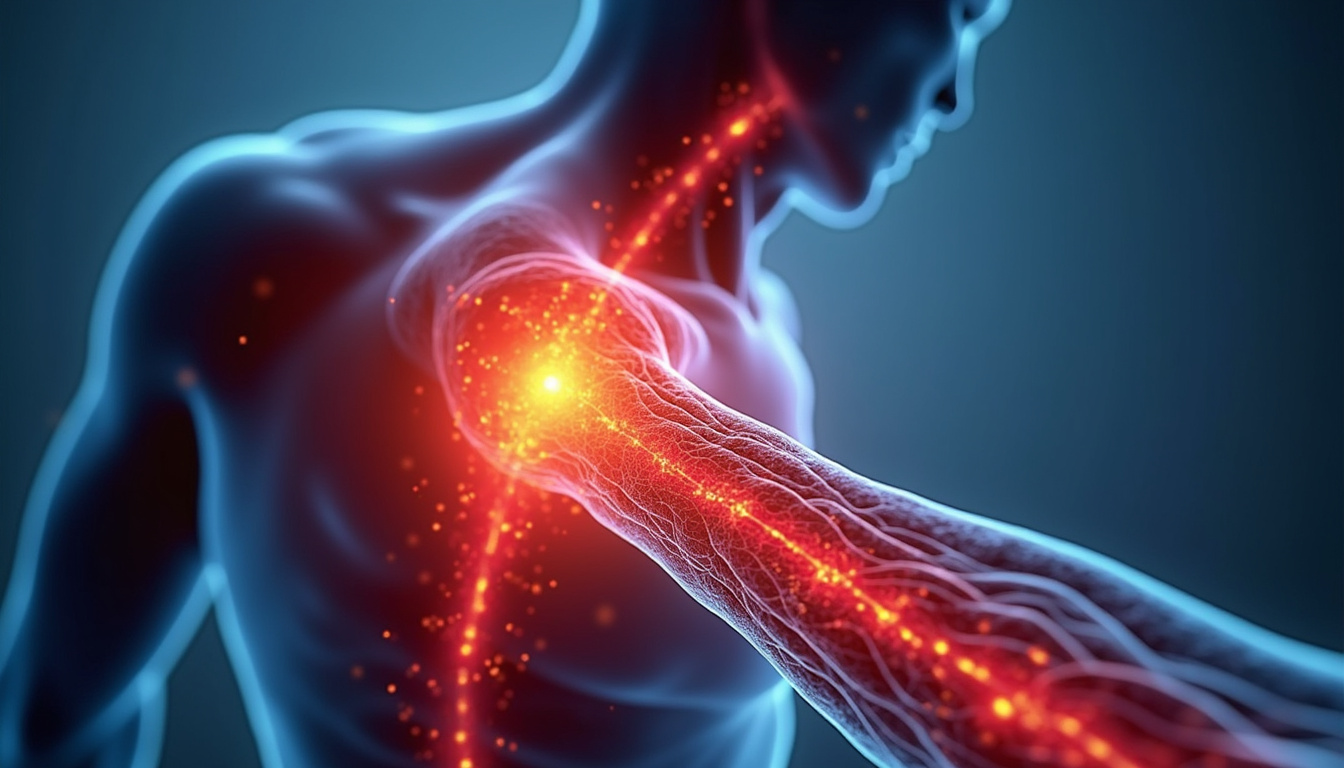
Chronic myofascial pain stays with many people around the world. It causes deep muscle pain and discomfort in the tissues around the muscles. Many do not understand or correctly diagnose it. In this article, we show the causes, signs, and best steps to ease this pain. We aim to help you act quickly.
What Is Chronic Myofascial Pain?
Chronic myofascial pain grows from trigger points. These points make muscles tight and sore. They send pain to other areas that are not the source. Unlike short-term muscle pain, this pain lasts for months or years. Standard treatments often do not work.
Knowing chronic myofascial pain is key. It helps you see why your muscle pain matters.
Causes of Chronic Myofascial Pain
Many factors join together to bring this pain:
- Muscle overuse or injury – Repetitive work, heavy lifting, or accidents form painful spots.
- Poor posture – Sitting or standing wrong stresses muscles and skin.
- Stress and anxiety – Worry makes your muscles tense and hurts.
- Nutrient shortages – Missing magnesium and other nutrients weakens muscle repair.
- Sleep troubles – Lack of sleep stops muscles from healing.
- Health issues – Conditions like fibromyalgia or arthritis add to the problem.
Finding the right cause helps you sort out better ways to fix it.
Recognizing the Symptoms
The pain shows in several clear ways:
• A steady deep ache or burning hurt in muscles
• Hard knots or trigger points you can feel
• Pain that grows with pressure or movement
• A joint that barely moves
• Muscle stiffness or weakness
• Pain appearing in other spots, like your head or jaw
Since these signs can show up in different conditions, a full check by a doctor is needed.
Diagnosis: How Is Chronic Myofascial Pain Identified?
Doctors use your history and a physical check to see the pain. Pressing on the muscles finds tight bands and sensitive spots. Sometimes, an MRI or ultrasound helps rule out other issues.

They look for:
• Pain lasting more than 3 months
• Trigger points that cause pain on touch
• Reactions during stretching and pressing tests
A fast and right diagnosis boosts the chance to ease your pain.
Effective Treatments for Chronic Myofascial Pain
Many methods come together for control. These mix physical care, medicine, and lifestyle steps.
1. Physical Therapy and Stretching
Therapy works to loosen trigger points and help your movement. The work uses:
• Myofascial release to stretch and relax tight tissues
• Dry needling or injections to block painful spots
• Exercises to balance and strengthen muscles
2. Medications
Different drugs can lower pain:
• NSAIDs to cut inflammation and ache
• Muscle relaxants to calm spasms
• Antidepressants or anticonvulsants to adjust nerve pain
A doctor must check the medicine use.
3. Stress Management and Relaxation Techniques
Stress makes muscles tense. Simple ways to calm include:
• Mindfulness meditation
• Deep breathing
• Yoga or tai chi
These steps often cut down the pain.
4. Lifestyle Modifications
Healthy habits help stop pain flare-ups:
• Fix your posture while working
• Use chairs and tables that support your back
• Drink water and eat a full diet
5. Alternative Therapies
Some people find relief with acupuncture, massage, or biofeedback.
Summary of Treatment Options
| Treatment Type | Description | Benefits |
|---|---|---|
| Physical Therapy | Myofascial release, stretching, dry needling | Eases muscle tightness and pain |
| Medications | NSAIDs, muscle relaxants, antidepressants | Reduces pain and spasms |
| Stress Management | Meditation, yoga, deep breathing | Lowers tension that feeds pain |
| Lifestyle Changes | Better posture, ergonomic gear | Stops the pain from getting worse |
| Alternative Therapies | Acupuncture, massage | Offers extra relief and relaxation |
Frequently Asked Questions (FAQs)
What keeps chronic myofascial pain going?
The pain stays because trigger points are still active. Muscle overuse, poor posture, and stress add to it. When these causes are not fixed, the pain remains.
How is chronic myofascial pain different from normal muscle pain?
Normal pain stops after a short time. Chronic myofascial pain arises from trigger points that create a deep, long-lasting ache. The pain can also move to other areas.
Can chronic myofascial pain be cured completely?
Many find much relief, but the pain often stays a part of life. When treatment starts early and covers all the causes, the pain falls a lot.
Conclusion: Taking Control of Chronic Myofascial Pain
Living with chronic myofascial pain is not easy. Yet, knowing its causes, signs, and ways to treat it makes things simpler. Do not let the pain rule your day. Talk with a doctor who knows muscles and nerves. They can make a plan that fits you.
Act fast. A right check and treatment plan give you a chance to live freely and move well again. For more tips on muscle pain and trigger points, check trusted sources like the American Academy of Physical Medicine and Rehabilitation.
Take the first step today. Reach out for help and try the many ways to ease your pain. Your path to comfort starts now.
Sorry, the comment form is closed at this time.