
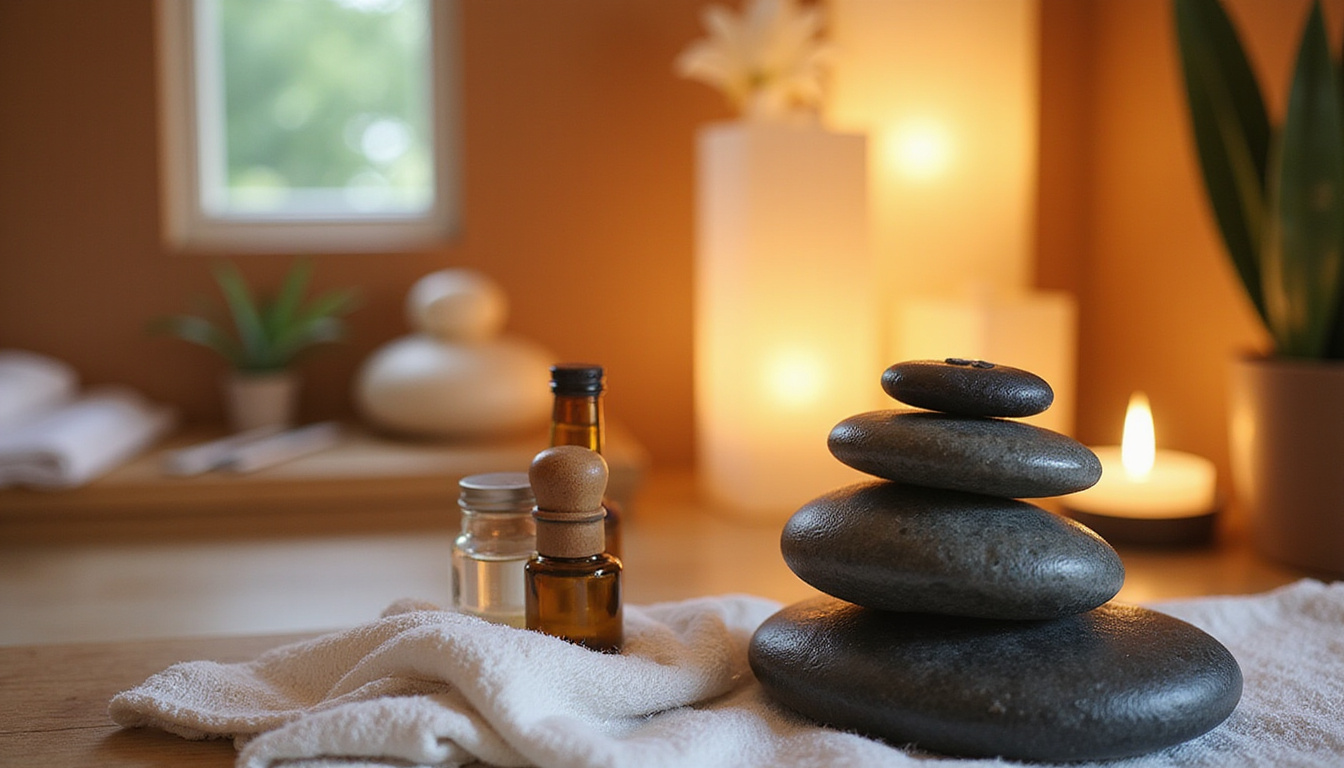
09 Oct Effective Pain Management Techniques for Lasting Relief and Recovery
Pain is part of life. People feel pain no matter their age or background. Pain comes from injury, chronic conditions, or surgery. Managing pain well helps life quality and supports long recovery.
In this article, we explain tested ways to handle pain. These techniques bring relief and cut side effects. Using these methods helps patients and caregivers work together to control pain.
Understanding Different Types of Pain
Before we look at pain techniques, we must see what pain is:
- Acute Pain: This pain lasts a short time. Injury, surgery, or infection can cause it. The body uses this signal to start healing. Once the problem is fixed, the pain fades.
- Chronic Pain: This pain lasts more than three months. It stays after healing time. Diseases like arthritis, nerve damage, or fibromyalgia often bring this pain. Chronic pain disrupts daily life.
- Neuropathic Pain: This pain comes from nerve damage. People feel burning, tingling, or shock-like pain.
Knowing what type of pain exists helps us choose the best care plan.
Common Pain Management Techniques
There are many ways to manage pain today. Some methods use drugs. Others use exercise, therapy, or natural practices. A good treatment plan mixes techniques that match one’s pain type and health needs.
1. Pharmacological Treatments
Medications form the base of many pain plans.
- NSAIDs: Drugs like ibuprofen lower inflammation and ease mild or moderate pain.
- Acetaminophen: This drug eases mild pain by changing the brain’s pain signals.
- Opioids: These drugs care for severe pain. They must be used with care because they can be addictive.
- Adjuvant Medications: Some antidepressants or anticonvulsants help with nerve pain.
Always talk with a health provider to set the right dose and drug.
2. Physical Therapy and Exercise
Physical therapy works to bring back movement and make muscles strong. It lowers pain from injury or chronic problems like arthritis.

- Guided exercises help joints and muscles.
- Heat or cold, plus massage, ease tissue pain.
- Low-impact actions like walking or swimming boost blood flow and ease stiffness.
3. Psychological Approaches
Chronic pain can hurt mental health. Certain strategies help the mind care for pain:
- Cognitive Behavioral Therapy (CBT) helps change negative views of pain.
- Mindfulness Meditation lets you accept pain and lowers stress.
- Biofeedback shows you how to control body signals that affect pain.
4. Complementary and Alternative Therapies
These ways add to common treatments and often bring fewer side effects:
- Acupuncture presses on body points to ease pain.
- Chiropractic Care uses spine adjustments.
- Herbal Supplements like turmeric or ginger fight inflammation.
5. Interventional Procedures
For pain that does not go away, some medical acts bring focused help:
- Nerve blocks or injections bring medicine to a pain spot.
- Devices like spinal cord stimulators cut pain signals.
Top 5 Pain Management Techniques Summarized
- Medications: NSAIDs, opioids, adjuvants
- Physical Therapy: Exercise, massage, heat/cold therapy
- Psychological Methods: CBT, mindfulness, biofeedback
- Complementary Therapies: Acupuncture, chiropractic, supplements
- Interventional Procedures: Nerve blocks, implants
Use many methods together for strong results.
How Lifestyle Changes Play a Role in Pain Management
Healthy habits add strength to pain treatments:
- Adequate Sleep: Good sleep helps lower pain signals.
- Balanced Diet: Foods like greens and fatty fish reduce inflammation.
- Stress Management: Cutting stress is key because stress makes pain worse.
- Weight Control: Keeping a good weight helps joints stay healthy.
These simple changes boost the body’s own healing power.
Frequently Asked Questions about Pain Management Techniques
Q1: What works best for chronic pain?
A1: A blend of drugs, physical therapy, and mental care like CBT often gives long relief. Extra methods like acupuncture may help too.
Q2: Are pain treatments safe for long periods?
A2: Many non-drug steps like exercise and mindfulness are safe for long use. However, some drugs, especially opioids, must be watched carefully.
Q3: Can natural methods replace common pain treatments?
A3: Natural ways like herbs and acupuncture may reduce pain, but they work best when teamed with standard treatments.
The Importance of Personalized Pain Management
No one method fits all people. Plans made with health experts match pain type, history, and what the person needs. For example, nerve pain may respond best to drugs like gabapentin paired with physical therapy. Patients healing from surgery may gain much from focused physical and mental support.
Studies by the Centers for Disease Control and Prevention show that mixing drug and non-drug methods can lower the need for opioids. This mix proves a full approach works best.
Embracing Lasting Relief and Recovery
Good pain management not only eases pain; it also lifts mood and boosts life quality. By combining medicines, physical work, mental strategies, natural practices, and life changes, people can find steady relief from pain.
If you or someone you love suffers from pain, take a step toward healing. Meet with your healthcare provider to build a personal plan that suits you. Use varied methods and feel the gains of lasting relief and better health. Do not let pain hold you back—use care, knowledge, and support to take back control and enjoy life.
Sorry, the comment form is closed at this time.