
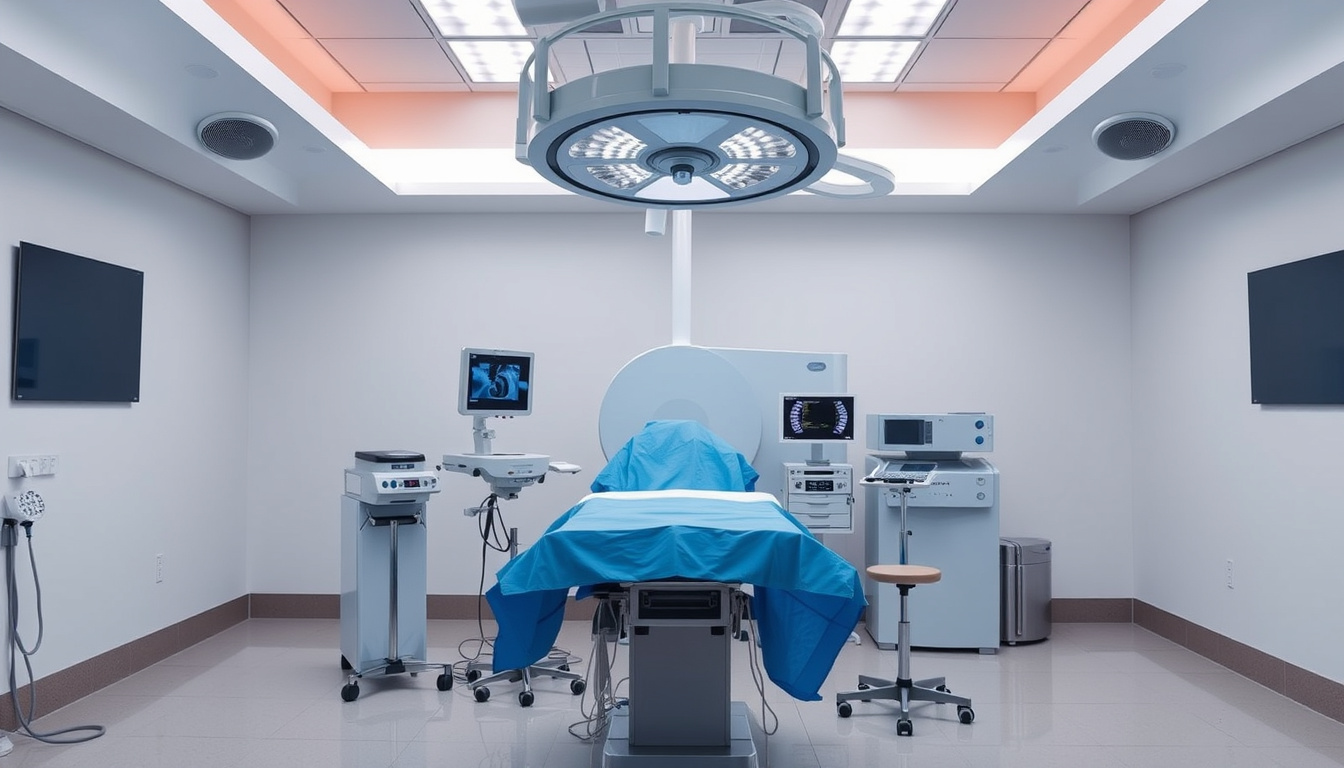
23 Jun Discectomy: Essential Insights and Recovery Tips for Patients
When it comes to easing herniated disc pain, a discectomy works well. It removes the disc piece that presses on nerves. This article gives clear insights on discectomy before, during, and after the surgery. You also get simple recovery tips for smooth healing.
What Is a Discectomy?
A discectomy is a small-cut surgery that takes away the herniated disc matter. It stops pain, numbness, or tingling from nerve pressure. The surgery usually targets the lower back or the neck, depending on where the disc bulges.
Why Consider a Discectomy?
Patients choose a discectomy when other steps like physical therapy, medicine, or injections do not ease the pain. Research shows that discectomy can quickly help reduce symptoms and get you moving sooner than long-term conservative care.
Preparing for a Discectomy: What You Need to Know
Before a discectomy, you must get ready. Your doctor checks your history, runs imaging tests such as MRIs, and talks about your symptoms and plans. Key steps include:
- Preoperative assessments: blood tests and a physical exam
- Medication review: stopping blood thinners or other drugs as needed
- Diet and hydration: no solid food for a few hours before surgery
- Arranging transportation: post-surgery, you may need help moving around
Understanding the Discectomy Procedure
Every discectomy can differ, but most follow these steps:
- Anesthesia Administration: General anesthesia makes you sleep during the surgery
- Incision and Access: A small cut is made over the herniated disc
- Removal of Disc Material: The surgeon takes away the disc piece that presses on the nerve
- Closure: The cut is closed with stitches or staples, then you go to recovery
New, less invasive techniques mean most discectomies need a short surgery time, a tiny cut, and a brief recovery.

Postoperative Expectations and Recovery Tips
Immediate Postoperative Phase
After surgery, you rest in a recovery room. Most patients feel some pain, which medicine can ease. Take time to rest and slowly move more as you feel ready.
Recovery Timeline
A usual recovery after discectomy looks like this:
- First week: Rest, take care of your wound, and move very little
- 2-6 weeks: Slowly resume light activities and start physical therapy
- 3-6 months: Return fully to work and normal activities based on your progress
Essential Recovery Tips
To help your healing and avoid issues:
- Follow your surgeon’s steps closely
- Do the physical therapy given to build strong muscles
- Avoid heavy lifting, twisting, or strong exercises at first
- Keep a good posture to lessen your spine’s strain
- Drink enough water and eat balanced meals for tissue repair
- Listen to your body: rest if needed and do not push through pain
Addressing Common Concerns
Will I Still Have Back Pain After a Discectomy?
Even if the discectomy releases nerve pressure, some may still feel back pain. Physical therapy, medicine, or other steps can help if pain continues.
How Long Does It Take to Fully Recover from a Discectomy?
While every case is different, most recover in 3 to 6 months. Follow-ups with your doctor help track your progress and ease worries.
Is a Discectomy a Safe Procedure?
A discectomy is usually safe. Complications like infection, nerve injury, or leaks of fluid are rare. Choosing a skilled surgeon lowers these risks.
FAQs About Discectomy
Q1: What should I expect in the days immediately after a discectomy?
A: Expect some discomfort and a need for rest. Your doctor may give you pain meds and guide you on caring for your cut. Early, careful movement helps healing.
Q2: How can I tell if my recovery after discectomy is proceeding normally?
A: Look for less pain, more movement, and ease in doing daily tasks. If you notice new strong pain, fever, or wound trouble, call your doctor fast.
Q3: Can a discectomy prevent future herniations?
A: A discectomy fixes the current issue but does not stop future disc problems. Regular exercise, good posture, and weight care keep your spine healthy.
Additional Resources and Professional Guidance
For more details, check trusted sites like the American Academy of Orthopaedic Surgeons. Always get advice from your doctor to choose the best plan for your condition.
Conclusion: Take Action Toward a Pain-Free Life
A discectomy can boost life quality when herniated discs hurt your nerves. With smart preparation, clear recovery steps, and ongoing care, many feel great relief and return to daily life. If you think about a discectomy, talk with a spine expert to form a plan that fits you. Don’t let back pain limit you—step toward relief today.
Sorry, the comment form is closed at this time.