
30 Jun Manual Therapy Techniques for Effective Pain Relief and Recovery
When you have chronic pain or an injury, finding treatment matters. You feel discomfort. You need care.
In manual therapy, a therapist uses skilled hands to work on tight muscles and joints. This care aims to ease pain and help recovery.
This article explains manual therapy. It shows techniques, benefits, and ways to add these methods to your recovery plan.
What Is Manual Therapy?
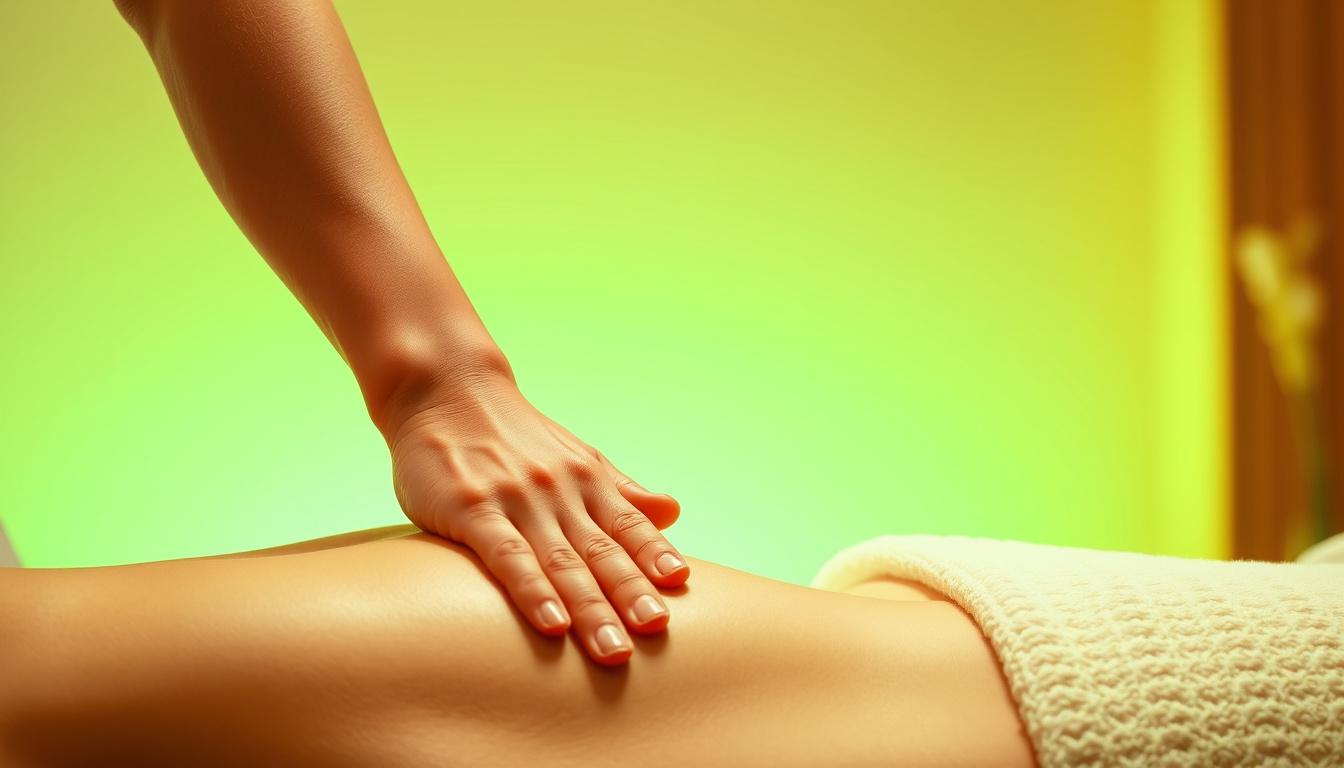
Manual therapy means using hands to help muscles, joints, and soft tissues. A therapist applies pressure to reduce pain. The work helps you move easier and heal. Unlike pills or surgery, manual therapy trusts touch and skill.
Therapists like physical therapists, chiropractors, osteopaths, and massage experts use manual therapy. It helps with back pain, stiff necks, arthritis, sports injuries, and recovery after surgery.
Key Benefits of Manual Therapy
Adding manual therapy to your care plan brings these benefits:
• Pain Lessens
A therapist works on tight muscles. This work lowers inflammation and nerve pain.
• Better Movement
Gentle hand movements open up stiff joints.
• Speedy Healing
Better blood flow and softer tissues speed recovery.
• Loose Muscles
Hands loosen knots in muscles and ease spasms.
• Improved Function
You may stand straighter and move with balance.
Common Manual Therapy Techniques
Different techniques meet different needs. Here are some common ones:
-
Joint Mobilization and Manipulation
A therapist applies pressure on joints. Slow, gentle moves ease stiffness. Quick, firm pressure can also help. Both moves aim to lessen pain. -
Soft Tissue Mobilization
This work targets muscles, tendons, and ligaments. A therapist massages, kneads, and stretches the area. The goal is to break scar tissue and boost blood flow. -
Myofascial Release
Here, focus goes to the fascia—the tissue that covers muscles. A therapist holds gentle pressure for longer periods. This step loosens tight tissue and improves movement. -
Trigger Point Therapy
A therapist presses on a small, tight spot in a muscle. This focused move can ease pain that spreads. -
Muscle Energy Techniques (MET)
You push against a therapist’s steady resistance. This effort safely lengthens muscles and opens joints. -
Craniosacral Therapy
A soft touch targets the head and spine area. This care releases tension and calms the nerves. It may help with headaches, neck pain, and stress.
When Is Manual Therapy Appropriate?
You can use manual therapy for many conditions. It helps when you have:
• Lower back pain
• Neck pain or stiffness
• Frozen shoulders
• Sports injuries like sprains or strains
• Posture problems or work-related pain
• Osteoarthritis or joint issues
• Fibromyalgia or other chronic pain
Before you start, a trained therapist will check your condition. They make sure manual therapy is a good fit for you.
Preparing for Your Manual Therapy Session
Follow these tips to get the best from your session:
-
Communicate
Explain your pain, history, and past treatments. -
Wear Comfortable Clothing
Loose clothes allow easy access to treated areas. -
Stay Hydrated
Drink water to help flush out toxins. -
Follow Your Therapist’s Advice
They might give you stretches, exercises, or heat/cold tips. -
Avoid Heavy Activity
Rest after a session to let your body adjust.
Manual Therapy as Part of a Comprehensive Recovery Plan
Manual therapy works best with other care. Add these methods to your plan:
• Regular exercise and stretching
• Training to fix posture
• Adjusting your workspace or home
• Pain relief techniques like ice, heat, or electrical help
Together, these steps build a strong plan that keeps you pain free for longer.

FAQs About Manual Therapy
Q1: Is manual therapy painful?
Sometimes you may feel mild discomfort. A qualified therapist adjusts pressure to stay comfortable. Most people feel relief afterward.
Q2: How many sessions do I need?
The number depends on your pain and health goals. Some need only a few. Others with long-term pain might visit more often.
Q3: Can manual therapy replace pain medication?
Manual therapy often reduces the need for pills. It works on the pain’s cause. For severe pain, a doctor might combine treatments. Check with your healthcare provider first.
Expert Insight: The Evidence Behind Manual Therapy
Studies show that manual therapy works well for musculoskeletal pain. Research by the National Institutes of Health shows that combining manual therapy with exercise helps chronic low back pain better than either treatment alone. This finding underlines why manual therapy belongs in a broad recovery plan.
Conclusion: Empower Your Recovery with Manual Therapy
Manual therapy uses skilled touch to heal pain and improve life. Whether you recover from an injury or manage chronic pain, these techniques offer careful, focused help.
If you want to try manual therapy, find a licensed therapist. They can build a care plan just for you. Do not let pain hold you back. Take a step toward a happier, healthier future.
Sorry, the comment form is closed at this time.