
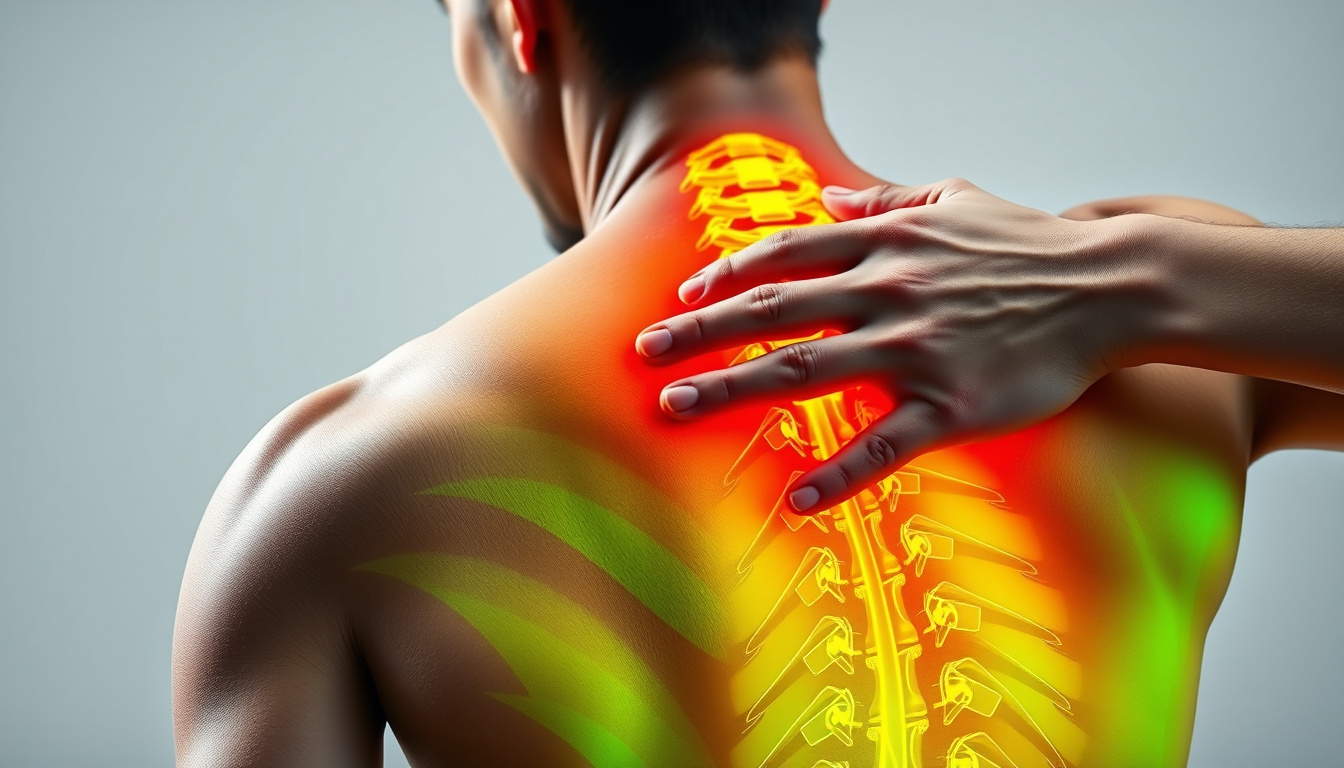
08 Jun Understanding the Impact of Musculoskeletal Disorders on Overall Health
Musculoskeletal disorders (MSDs) are common. They affect the muscles, bones, joints, tendons, and ligaments. Many people do not notice their impact on overall health. These disorders often cause disability around the world. Knowing how MSDs change health is key for early help, proper care, and a better life. In this article, we look at MSDs, their link to well-being, and ways to lessen their harm.
What Are Musculoskeletal Disorders?
Musculoskeletal disorders cover many conditions that change how the body works. Examples like osteoarthritis, rheumatoid arthritis, back pain, tendonitis, and osteoporosis are well known. These conditions can come on fast or slowly. They may arise from aging, injury, repeated strain, bad posture, or work hazards.
The musculoskeletal system gives the body its shape, helps it move, and guards key organs. If it does not work well, pain, less movement, and less freedom may follow. The World Health Organization notes that MSDs add many lost healthy life years globally (source).
How Do Musculoskeletal Disorders Affect Overall Health?
The effects of MSDs are not only at the pain spots or in the joints. They also touch many parts of health. They change physical, mental, and social well-being.
1. Physical Health Complications
Musculoskeletal health links strongly to physical health. Long-term MSDs may cause:
- Decreased mobility and strength that make daily tasks hard.
- Less physical activity, which can lead to weight gain, heart issues, and metabolic problems.
- A higher risk of falls and fractures, a serious risk for older people.
- Chronic pain that can linger after treatment and may disturb sleep and energy.
2. Mental Health Challenges
Living with pain from MSDs can harm the mind. Many people face:
- Anxiety and depression
- Sudden mood changes
- Trouble sleeping
- Withdrawal from social life due to movement limits
Studies show that ongoing pain from MSDs links strongly with mental distress (source).
3. Social and Economic Impact
MSDs can bring many other troubles:
- Work disability that may cut income and make jobs hard to keep.
- Higher healthcare costs because of regular treatments, drugs, and therapy.
- A lower quality of life as pain and emotional strain mix.
Common Musculoskeletal Disorders and Their Effects
Knowing each disorder helps us see how they change well-being.
- Osteoarthritis is the most common arthritis. It brings joint pain and stiffness that limit movement and increase reliance on others.
- Rheumatoid Arthritis is an autoimmune disorder. It can destroy joints and make tiredness and whole-body issues common.
- Osteoporosis makes bones weak. This lower bone density raises the risk of fractures and lessens mobility.
- Back Pain may come from a slipped disc, muscle injury, or wear and tear. It brings long-term pain and lowers daily activity.
- Tendonitis and Bursitis cause pain from inflammation in the tendons or bursae, reducing movement.
Preventive Strategies for Maintaining Musculoskeletal Health
Stopping problems early is key to lowering the harm of MSDs. Here are some ways to help:
1. Maintain a Healthy Lifestyle
- Regular exercise like weight-bearing and strength training can boost your bones and muscles.
- A balanced diet that has calcium, vitamin D, and other good nutrients helps the musculoskeletal system.
- Do not smoke or drink too much. These habits can lower bone strength.
2. Practice Proper Posture and Ergonomics
- Use proper furniture and tools at work.
- Keep a good posture during everyday tasks.
- Take short breaks if you repeat the same actions.
3. Early Diagnosis and Treatment
- See a doctor if pain or discomfort lasts.
- Follow a plan of physical or occupational therapy if told.
- Stick to treatment plans to stop problems from growing worse.
Managing Musculoskeletal Disorders Effectively
Once MSDs are known, a team approach is best for care:
- Medications like pain relievers, anti-inflammatory drugs, or bone density drugs.
- Physical therapy with exercises to build strength and ease movement.
- Sometimes surgery, such as joint replacement, may be needed.
- Other therapies like acupuncture, massage, or mindfulness can help too.
The Importance of Patient Education
Patients must learn about their own conditions. When people know about their health, they follow treatment and lifestyle changes more closely. This knowledge can lead to better results in managing MSDs.
Conclusion
Musculoskeletal disorders do more than cause pain. They touch physical ability, mental strength, and social life. Seeing how closely they link to overall health shows why prevention, early checkups, and full care matter. By acting early to care for your body, you can keep your independence and enjoy a better life.
Don’t wait for pain or disability to impact your life—prioritize your musculoskeletal health today! Consult healthcare professionals for personalized advice and create a plan to keep your body strong and resilient.

Frequently Asked Questions (FAQs)
Q1: How does musculoskeletal health affect overall well-being?
A1: Musculoskeletal health matters for overall well-being. It affects how you move, exercise, feel, and interact. Long-term MSDs may lead to pain, disability, depression, and less social life.
Q2: What are the main risk factors for developing musculoskeletal disorders?
A2: Main risks include aging, repeated strain, poor posture, high body weight, smoking, sitting too much, and work that involves heavy lifting or constant motions.
Q3: Can lifestyle changes improve musculoskeletal health?
A3: Yes, a healthy weight, regular exercise, good posture, and a balanced diet can boost musculoskeletal health and lower the risk of problems.
References
- World Health Organization. Musculoskeletal conditions. Link
Take control of your musculoskeletal health today—invest in your future well-being by staying active, practicing good ergonomics, and seeking medical advice promptly when needed. Your body’s strength and resilience are the foundation for a vibrant, independent life.
Sorry, the comment form is closed at this time.