
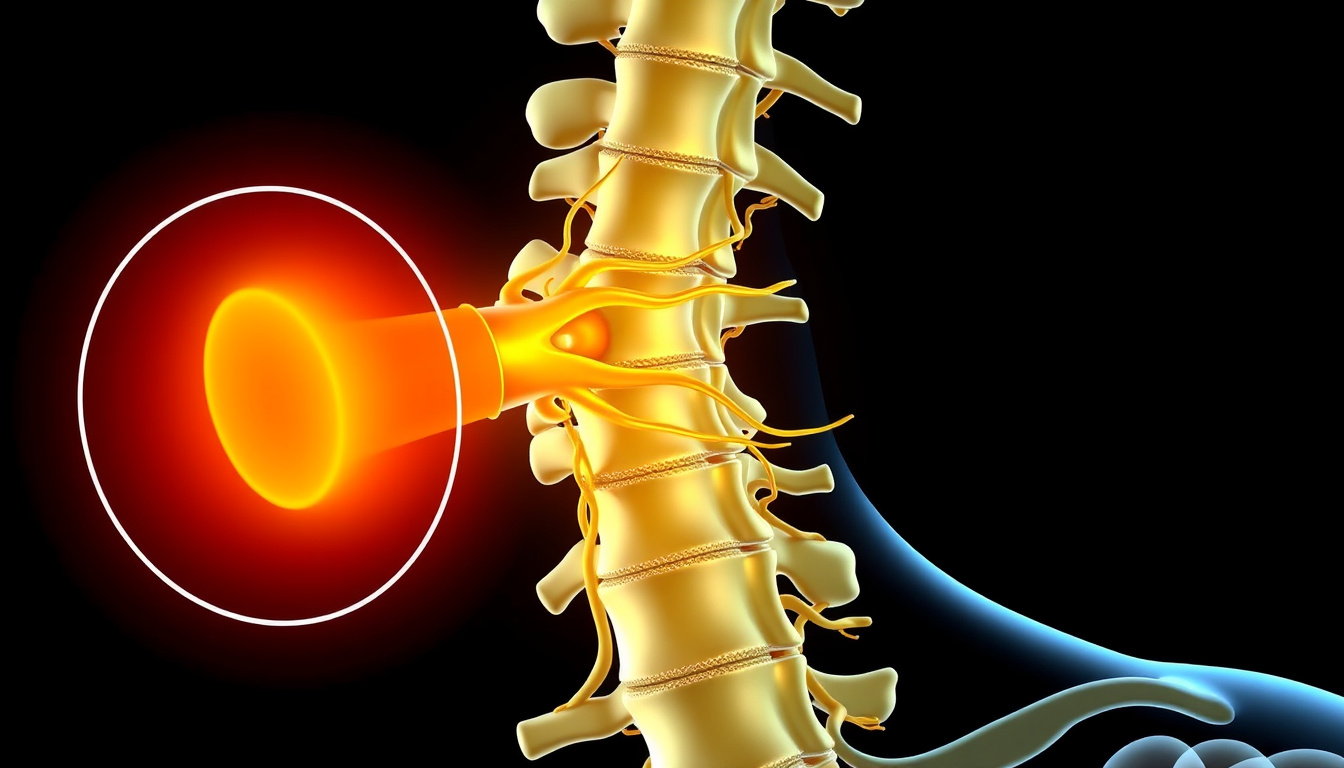
19 Jul Nerve Impingement: Causes, Symptoms, and Effective Treatment Options
Nerve impingement is common. It affects millions worldwide and brings pain, numbness, and weakness. Daily discomfort or serious movement problems follow. In this article, you learn about nerve impingement. We list its causes, symptoms, and treatments.
What is Nerve Impingement?
Nerve impingement happens when nearby tissues press on a nerve. Bones, cartilage, muscles, or tendons push hard. This force stops nerves from working well. As a result, pain, tingling, numbness, or weakness come. Nerves link the brain and body parts. When they hurt, life and movement suffer.
Common Causes of Nerve Impingement
Knowing causes helps us prevent problems. Main reasons include:
-
Herniated or Bulging Discs
A disc may push from a spine bone. This push presses on nearby nerves. -
Spinal Stenosis
The spinal canal narrows. The narrow space squeezes the cord and nerves. -
Osteoarthritis
Worn joints and bone spurs press on nerves. -
Injury or Trauma
Accidents or repeated motions cause swelling that pushes on nerves. -
Repetitive Strain
Tasks like typing or assembly work repeat motions that irritate nerves. -
Poor Posture
Slouching or an improper setup makes nerve pressure worse. -
Obesity and Inflammation
Extra weight or inflamed tissues add pressure on nerves.
Recognizing the Symptoms of Nerve Impingement
The symptoms shift with location and pressure. They include:
- Pain – Sharp, burning, or dull pain runs along a nerve.
- Numbness or Tingling – Your skin may feel pins and needles.
- Muscle Weakness – Nerves do not send strong signals.
- Reduced Reflexes – Reflex actions slow down.
- Sensory Changes – You may lose or gain sensation.
Commonly affected spots are the neck, lower back, wrists, and hips.

How is Nerve Impingement Diagnosed?
Doctors check with simple steps. They use:
- MRI Scans to view soft tissues like discs.
- X-rays to see bone issues.
- CT Scans to show detailed bone images.
- Electromyography (EMG) to read muscle electrical signals.
A clear diagnosis guides the right treatment plan.
Effective Treatment Options for Nerve Impingement
Your treatment depends on the cause and its strength. Options include:
1. Conservative Treatments
These steps help without surgery:
-
Physical Therapy
Specific exercises ease nerve pressure. They help build strength and stretch muscles. -
Medications
NSAIDs, corticosteroids, or pain relievers calm inflammation and pain. -
Ergonomic Adjustments
Correcting your posture and work setup reduces strain. -
Heat and Cold Therapy
Warm or cool packs ease muscle tension and swelling. -
Activity Modification
Changing habits can help your body heal.
2. Injections
- Corticosteroid Injections
These lower inflammation near the nerve root and give short-term relief.
3. Surgical Treatments
When other steps do not work or symptoms worsen, surgery may help. Surgery works by:
- Removing the extra disc material.
- Widening a narrow spinal canal.
- Taking out bone spurs.
A specialist, such as a neurologist or orthopedic surgeon, will help decide the next step.
Lifestyle Tips to Prevent Nerve Impingement
Prevention is smart. Try these tips:
- Keep good posture when sitting, standing, or working.
- Take frequent breaks during long tasks.
- Exercise regularly to build muscle and support your spine.
- Choose ergonomic furniture and tools.
- Manage your weight to ease nerve pressure.
- Avoid long periods of inactivity.
Summary of Key Points
- Nerve impingement means there is too much pressure on a nerve.
- It brings pain, numbness, tingling, and weakness.
- Doctors diagnose it with exams and tests like MRI and EMG.
- Treatment often starts with physical therapy and medication.
- Surgery is for severe cases.
- Changing your lifestyle can help prevent it.
Frequently Asked Questions (FAQ)
Q1: Can nerve impingement heal on its own?
Yes, mild cases may heal with rest, therapy, and lifestyle tweaks. If symptoms persist, consult a doctor.
Q2: What are common nerve impingement locations?
It often happens in the neck, lower back, wrists, and hips.
Q3: Is surgery the only option?
No. Surgery is asked for when other treatments fail or nerve damage grows. Most people first try non-surgical methods.
For more details on nerve pain and compression, you can visit the Mayo Clinic resource.
Take Control of Your Health Today
If you think you have nerve impingement, act fast. Early diagnosis and treatment stop further harm and improve life quality. Start with small ergonomic changes, practice therapy exercises, and talk with a healthcare provider. Take the step toward a pain-free, active life today!
Sorry, the comment form is closed at this time.