
14 Aug Neuromuscular Therapy Benefits: How It Relieves Chronic Pain Effectively
Chronic pain affects millions worldwide. It erodes life quality and curtails daily tasks. One clear method to ease this pain is neuromuscular therapy. This therapy, built on a direct link between muscles and nerves, helps relieve pain and restore movement. In this article, we review how neuromuscular therapy works and why it may reduce chronic pain.
What Is Neuromuscular Therapy?
Neuromuscular therapy (NMT) works as a manual massage method. It digs into muscle problems that cause pain. Rather than merely calming muscles like a standard massage, NMT fixes imbalances and eases muscle, tendon, and tissue tension. It also stops nerve signals that add to the pain.
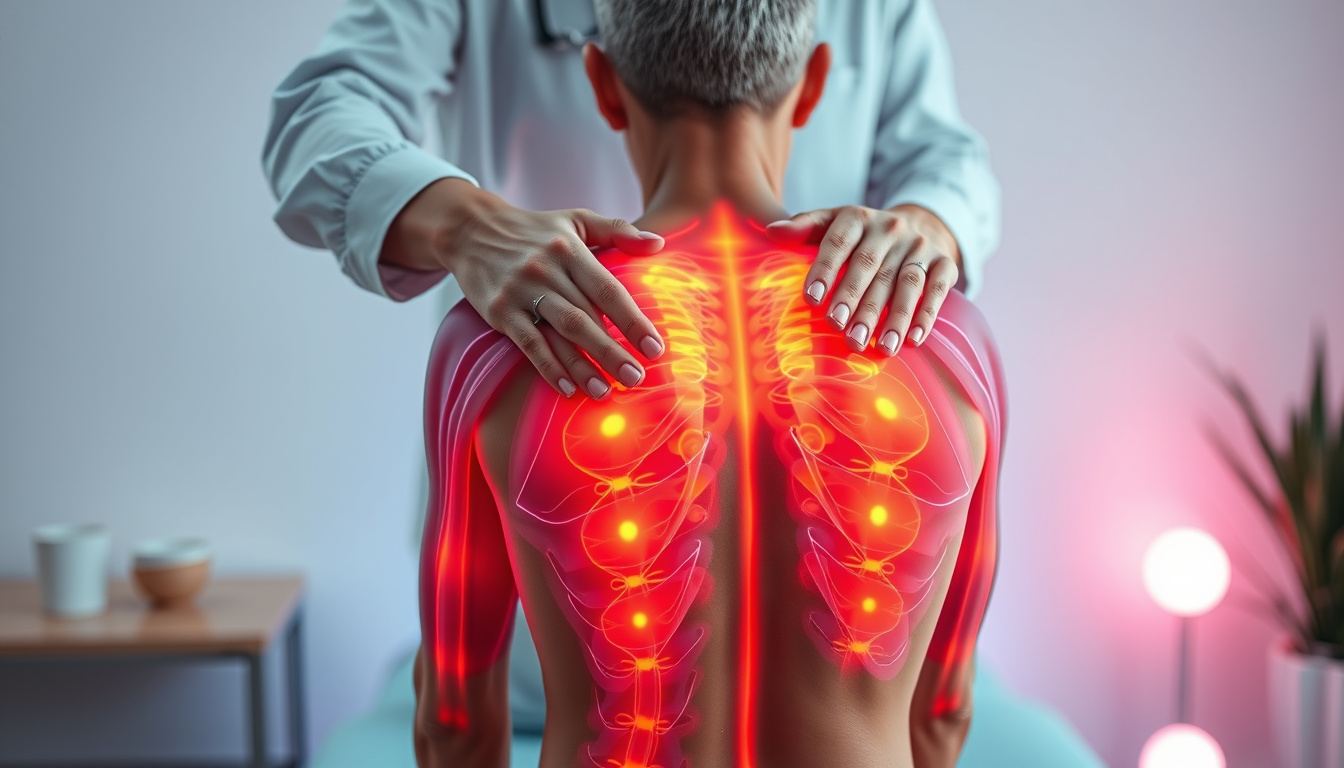
A therapist uses firm, measured pressure on trigger points—short knots or spasms in muscles. This close touch restores normal muscle activity and boosts blood flow. Better blood flow leads to healing and less inflammation, both key to easing long-term pain.
How Neuromuscular Therapy Works to Relieve Chronic Pain
NMT applies steady pressure and stretches with a purpose. Its techniques aim at the heart of chronic pain. Here is how it works:
• Release Myofascial Trigger Points:
These are tight spots in muscle fibers that send pain to other parts of the body. NMT breaks these knots to ease pain.
• Increase Blood Flow:
NMT gives affected tissues fresh oxygen and removes waste by boosting circulation.
• Normalize Nerve Function:
By easing pressure on overworked nerves, the therapy reduces sensations like tingling or numbness.
• Correct Posture:
NMT realigns muscles and fixes imbalances that may lead to pain in the future.
• Relax Muscles:
The therapy not only targets knots but also soothes nearby muscles. This lowers overall muscle tension.
Together, these steps make NMT effective for conditions like fibromyalgia, sciatica, tension headaches, and repetitive strain injuries.

Key Benefits of Neuromuscular Therapy
Knowing the benefits of neuromuscular therapy helps you decide if it meets your chronic pain needs. Here are its main advantages:
1. Targeted Pain Relief
NMT finds the exact source of muscle pain instead of hiding it. This direct method often gives longer relief than simple massage or medicine.
2. Improved Mobility and Flexibility
When chronic pain makes muscles stiff, NMT helps. It releases tight spots and improves movement, making daily actions easier.
3. Enhanced Healing and Recovery
Better blood flow means better oxygen and faster tissue repair. This proves very helpful after injuries or overuse of muscles.
4. Reduced Need for Pain Medication
Many choose medication for pain. However, NMT gives a drug-free option, often cutting the need for more medicine.
5. Prevention of Future Injuries
By fixing muscle imbalances and poor posture, NMT lessens the chance for recurring pain and future injury.
6. Holistic Pain Management
NMT works on both muscles and nerves. It treats the whole pain issue instead of just one part.
Conditions Commonly Treated with Neuromuscular Therapy
Neuromuscular therapy can help many chronic pain issues. It is known to work gently yet effectively for:
- Tension headaches and migraines
- Chronic neck and back pain
- Sciatica and herniated discs
- Fibromyalgia and myofascial pain syndrome
- Carpal tunnel syndrome and repetitive strain injuries
- Sports-related muscle injuries
- Temporomandibular joint disorder (TMJ)
Its flexible approach makes it a good choice for many with chronic pain.
What to Expect During a Neuromuscular Therapy Session
A session starts with an eye on your muscle tension, trigger points, and posture. The therapist applies steady, deep pressure with fingers, knuckles, or elbows. They often use slow strokes and gentle stretches to improve movement.
You may feel some discomfort when knots loosen, but therapists work within a level that feels okay. They might also show you stretches or share tips for better posture to keep the benefits lasting.
Neuromuscular Therapy vs. Other Types of Massage
Neuromuscular therapy stands apart from other massages. Whereas Swedish massage usually relaxes with gentle touches, NMT digs deeper into the tissue. Although it has much in common with trigger point therapy and deep tissue massage, NMT also focuses on the nerves that cause pain.
This precise method often gives better results for chronic pain compared to other types of massage.
Tips for Maximizing Neuromuscular Therapy Benefits
To get the best from NMT, keep these ideas in mind:
-
Commit to Several Sessions:
Chronic pain needs time to fade. Follow your therapist’s plan. -
Stay Hydrated:
Water flushes toxins and aids recovery. -
Do Your Exercises:
Stretching and strengthening exercises support your muscles. -
Keep a Good Posture:
Correct posture in daily life adds to the relief. -
Communicate Openly:
Share your feelings and feedback with your therapist.
Frequently Asked Questions About Neuromuscular Therapy
Q1: How soon will I feel better?
A: Many feel some relief right away, but steady gains usually come over multiple sessions.
Q2: Is it safe for everyone?
A: Most people can use NMT, but always mention any health problems like blood clots or fractures. A skilled therapist will adjust the treatment.
Q3: How does it differ from trigger point therapy?
A: Trigger point therapy works on muscle knots. Neuromuscular therapy uses that method along with other steps to ease nerve-related muscle pain.
Authoritative Insights on Neuromuscular Therapy
The American Massage Therapy Association (AMTA) notes that neuromuscular therapy is growing as an effective method for treating soft tissue injuries and pain. Its focus on muscles and nerves is gaining trust among health professionals.
Conclusion: Take Charge of Your Chronic Pain with Neuromuscular Therapy
If chronic pain rules your life, consider neuromuscular therapy. It works on muscles and nerves to bring balance, improve function, and reduce pain naturally.
Talk to a licensed therapist to see how NMT can ease your pain. Taking steps toward effective care can improve your quality of life. Do not let chronic pain control your day—explore neuromuscular therapy and reclaim your life!
References
American Massage Therapy Association. “Neuromuscular Therapy.” AMTA, https://www.amtamassage.org/find-massage-therapy/types-of-massage/neuromuscular-therapy/
Sorry, the comment form is closed at this time.