

04 Oct Top Pain Management Techniques to Relieve Chronic Discomfort Effectively
Chronic pain challenges many people. It affects life and limits daily activities. Pain stays long. Managing pain helps each day. This article shows pain management steps that work. They help people feel better and regain control.
Understanding Chronic Pain and Its Impact
Chronic pain lasts a long time. It goes beyond an injury or illness. Pain stays well past three to six months. Acute pain stops as the injury heals. But chronic pain lingers. The body feels pain even after healing. This pain can hurt feelings, disturb sleep, and slow activity. It forms a cycle that makes pain worse.
Pain management does more than fix the body. It helps the mind as well. Doctors use a mix of medical, physical, and mental tools. They plan treatments for each person.
Top Pain Management Techniques for Chronic Discomfort
No one cure stops pain for everyone. Many steps can work together. Here are some ideas:
1. Medication Management
Medications help many people. Doctors may use:
- Over-the-counter pain relievers like acetaminophen or NSAIDs
- Opioids, used with care because of addiction risk
- Antidepressants and anticonvulsants to ease nerve pain
- Topical medicines for local pain
Using medicine as told can boost results and cut side effects.
2. Physical Therapy and Exercise
Movement helps ease pain. Physical therapy aids mobility and strength. Exercises can include:
- Low-impact moves like swimming or walking
- Stretching to loosen the body
- Strength work to build muscles
- Balance exercises to stop falls
Activity sparks endorphin release. Endorphins are natural pain relievers. They lift mood and ease pain.
3. Mind-Body Techniques
The mind feels pain as much as the body. Techniques that join both can help. They include:
- Meditation to calm nerves and reduce pain
- Deep breathing to ease tension
- Yoga, which links body postures with breath and focus
- Biofeedback to help control body signals
These practices cut stress. Less stress means pain feels less.
4. Cognitive Behavioral Therapy (CBT)
CBT helps change how we think. It links thoughts, feelings, and pain. When people change bad thoughts, they feel less hurt. Studies show CBT works well with pain. It is a key step in a full treatment plan.
5. Alternative and Complementary Therapies
Some people try other methods for help. These include:
- Acupuncture: thin needles at points ease pain
- Chiropractic care: spine adjustments help comfort
- Massage therapy: a rub can relax muscles
- Herbal supplements: turmeric or omega-3 may ease swelling
Talk with your doctor before trying these to stay safe.
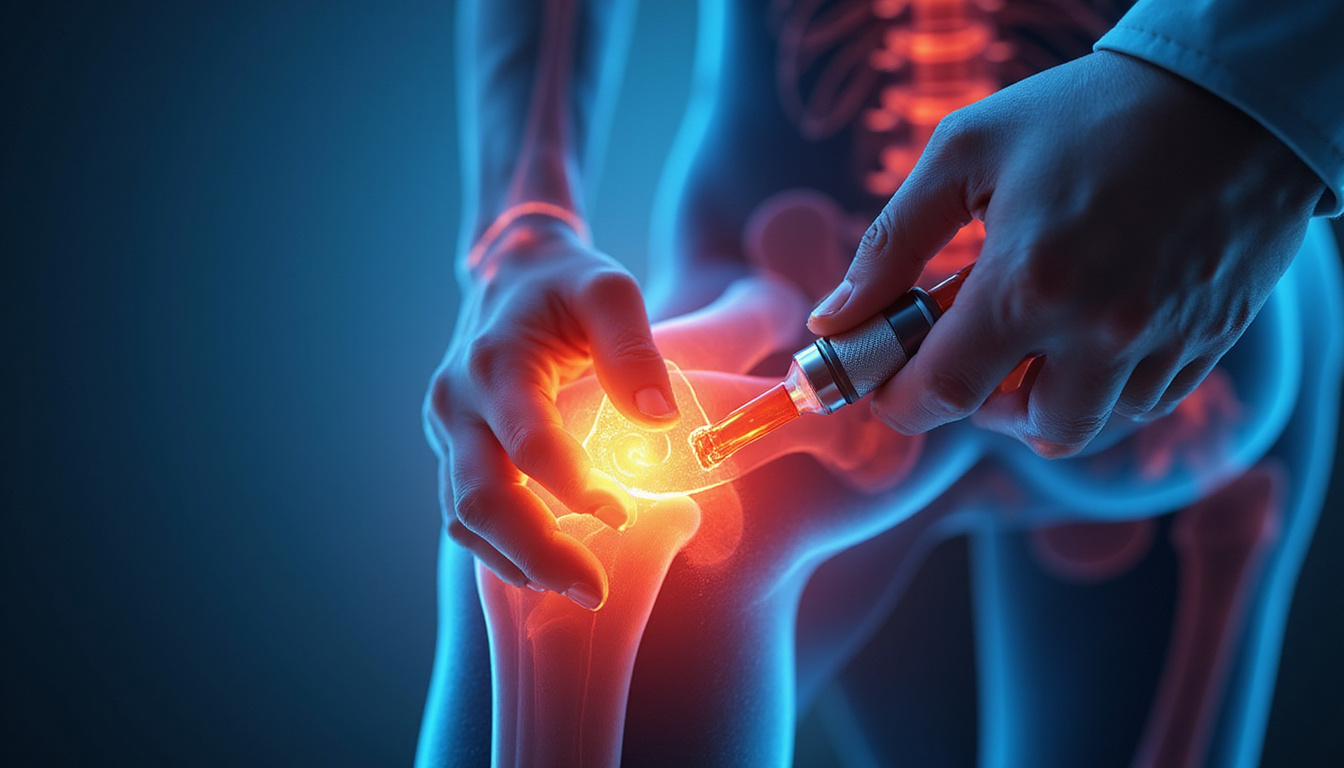
6. Interventional Procedures
Sometimes stronger steps are needed. For tough pain, doctors may try:
- Nerve blocks or injections that cut pain signals
- Spinal cord stimulators that send electric pulses
- Implants that deliver medicine steadily
Experts decide if these steps fit your needs.
Pain Management Techniques: Summary in List Form
Here is a quick look at the main steps:
- Medication management (pain relievers, opioids, antidepressants)
- Physical therapy and exercise
- Mind-body practices (meditation, yoga, biofeedback)
- Cognitive Behavioral Therapy (CBT)
- Alternative methods (acupuncture, chiropractic care, massage)
- Interventional procedures (nerve blocks, spinal stimulators)
Frequently Asked Questions About Pain Management Techniques
Q1: What are the best ways to manage nerve pain?
A mix of treatments works best. Doctors may use nerve pain drugs like anticonvulsants and antidepressants, add physical therapy, and include CBT for a mixed approach. Acupuncture can also help.
Q2: Can physical therapy alone control chronic pain?
Physical therapy can trim pain by building strength and flexibility. Yet, a blend of treatments—like medicine or mind-body steps—often gives the best results.
Q3: How do mind-body techniques ease pain?
Mind and body work as a team. Meditation and yoga calm the nervous system. They also help the mind to change how it sees pain. This change can lower pain levels.
Expert Insights and Evidence
Experts say a mix of treatments works best. The National Institute of Neurological Disorders and Stroke states that all-around care—medical help, movement training, and mental support—is key (source). Working with health experts to plan care is important.
Conclusion: Take Control of Chronic Pain Today
Living well with chronic pain is possible. You can join many techniques—from medicine to exercise, from CBT to alternative therapies—to ease pain and boost life quality.
If chronic pain rules your day, talk to a pain expert today. They can design care that fits you. Know that pain relief is within reach. With the right steps, you can choose more comfort and energy.
Take the first step today — try these proven methods and change how you manage chronic pain for a brighter, healthier tomorrow.
Sorry, the comment form is closed at this time.