
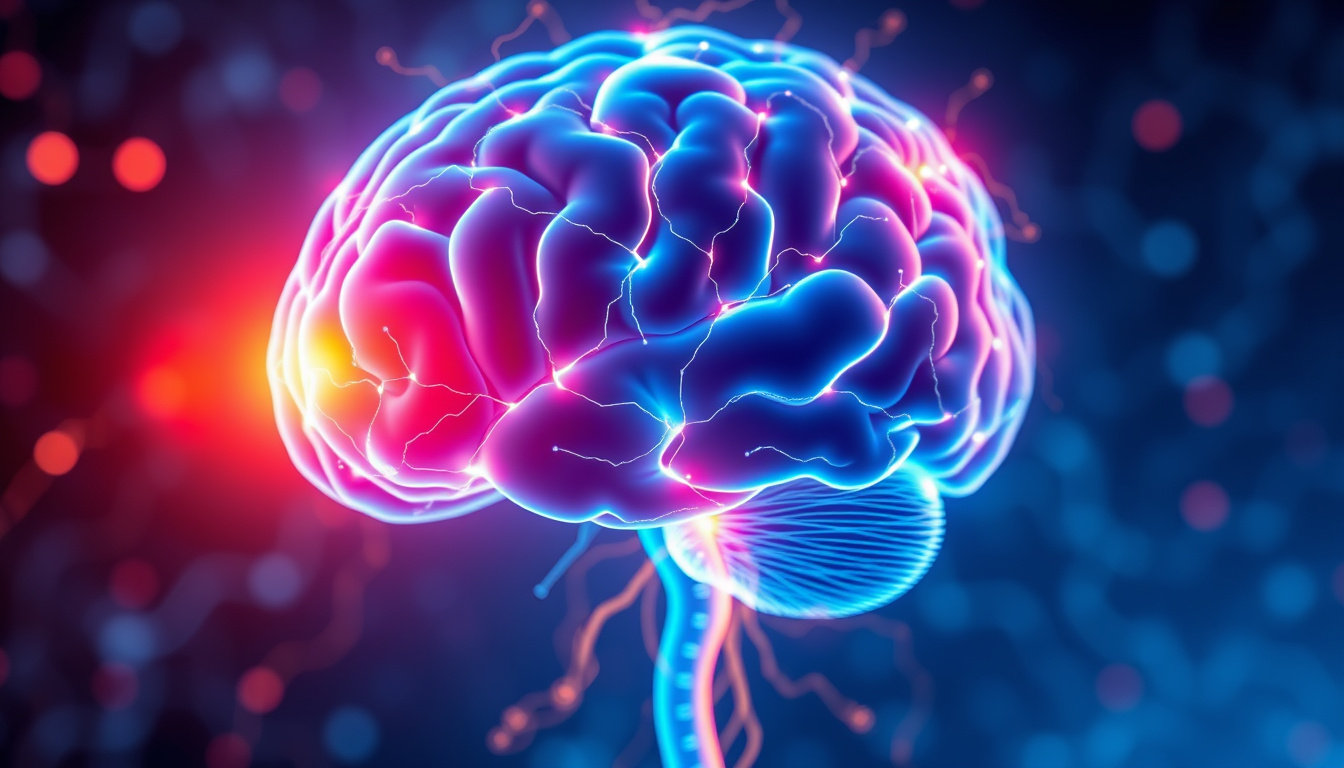
09 Aug Pain Neuroscience Explained: Unlocking the Secrets to Healing and Relief
Understanding pain neuroscience is key.
It unlocks new paths for healing and relief.
Pain is hard to explain. It impacts life quality greatly.
Old views set pain as simple and only physical.
But neuroscience now shows pain works through brain activity, nerves, and feelings.
This article explains pain neuroscience. It shows how our brain handles pain and how this idea changes treatments.
What Is Pain Neuroscience?
Pain neuroscience studies how the nervous system handles pain signals.
It looks at pain as more than an injury message.
The brain reads signals from the body.
This reading depends on past events, feelings, and thoughts.
Researchers ask: How do the brain, spinal cord, and nerves work together to create pain?
For example, two people with the same injury can feel pain very differently.
Their brains link words and feelings in unique ways.
This idea shifts pain from being just physical.
It pushes us to note both brain and emotion.
How Does the Brain Process Pain?
Pain begins when nociceptors (special nerve endings) feel harm, like heat or pressure.
These receptors pass the signal along close nerve paths.
The signal hits the spinal cord as a first stop.
Then, the message moves to brain centers that decide its meaning.
Key brain areas include:
- The thalamus that acts as a relay;
- The somatosensory cortex that marks where and how strong pain is;
- The limbic system that tags pain with emotion;
- The prefrontal cortex that reviews and controls pain.
Each connection links words and ideas closely.
This network shows that pain is a live and active process.

Chronic Pain and Neuroplasticity: Why Pain Persists
Pain neuroscience explains why pain can stick around after an injury.
A main idea is neuroplasticity, the brain’s way to change and adapt.
Sometimes, nerves stay alert and boost pain signals.
They even send pain messages when there is no injury.
Central sensitization shows how neurons can overreact.
This overreaction makes nonpainful touch hurt.
Conditions like fibromyalgia, back pain, and migraines use this link.
Knowing these links helps doctors.
They now treat pain by calming the nervous system instead of focusing only on hurt tissues.
The Role of Psychological Factors in Pain Neuroscience
Pain is not only a body matter.
Stress, fear, and sadness join in the pain chain.
They change how the brain links idea to pain.
Therapies like CBT and mindfulness fix how we connect ideas about pain.
These fixes change brain circuits and lower pain.
Mind and body link closely in the pain network.
Applications: How Pain Neuroscience Is Transforming Treatment
Pain neuroscience ideas change pain care.
They allow care that treats both brain and body.
Key uses include:
-
Education:
Patients learn how pain works.
This simple learning drops fear.
It helps them move with care and trust. -
Multimodal Therapy:
Doctors use exercises, drugs, support, and lifestyle changes.
Each step fixes a close link in the pain chain. -
Neuromodulation Techniques:
Methods like TMS or spinal cord stimulation tap into nerve plasticity.
They help reset how pain signals are sent. -
Personalized Medicine:
Knowing each person’s nerve and genetic links helps tailor care.
Pain Neuroscience Education: Empowering Patients
Research shows pain neuroscience education (PNE) can cut chronic pain.
PNE explains pain simply.
Patients see that:
- Pain does not mean hurt tissue.
- The brain can boost or even make pain.
- Safe, controlled movement is good.
- Thoughts and feelings weave closely into pain.
This clear map gives power back to patients.
They act more, cut back on fear, and see real gains.
Summary of Pain Neuroscience Concepts
In short, note these links:
- Pain comes from the brain and nervous system, not just injured tissue.
- Nerve plasticity can keep pain alive after healing.
- Emotions and thoughts attach closely to pain.
- Teaching and combined care based on neuroscience can ease pain.
Frequently Asked Questions (FAQs)
Q1: What does pain neuroscience study?
It studies how the brain and spinal cord read pain signals, how nerve plasticity keeps pain, and how feelings mix in with pain.
Q2: How does pain neuroscience help with pain relief?
It shows the links in our brain. Doctors use this map to form plans that cut pain and lower drug need.
Q3: Is pain neuroscience only for long-term pain?
No. Its links help with acute pain and other pain types.
They work by showing why pain starts and keeps on, guiding safer care.
Expert Perspective: Why Pain Neuroscience Matters
The International Association for the Study of Pain says pain neuroscience is key.
It builds better treatment maps that boost life quality.
Soon, using brain links in care will change pain care around the world.
Conclusion: Take Control Over Your Pain Journey
Knowing pain neuroscience opens real doors to ease pain.
Pain is not a set sentence.
The brain links with the body to shape pain.
By learning the links and using proper care, you can begin healing.
If pain controls you or a loved one, seek a specialist in pain science.
Armed with clear links and ideas, challenge old views of pain.
Your journey to ease begins with simple, connected facts.
Take charge of your pain today and explore the promising road to healing with pain neuroscience.
Sorry, the comment form is closed at this time.