
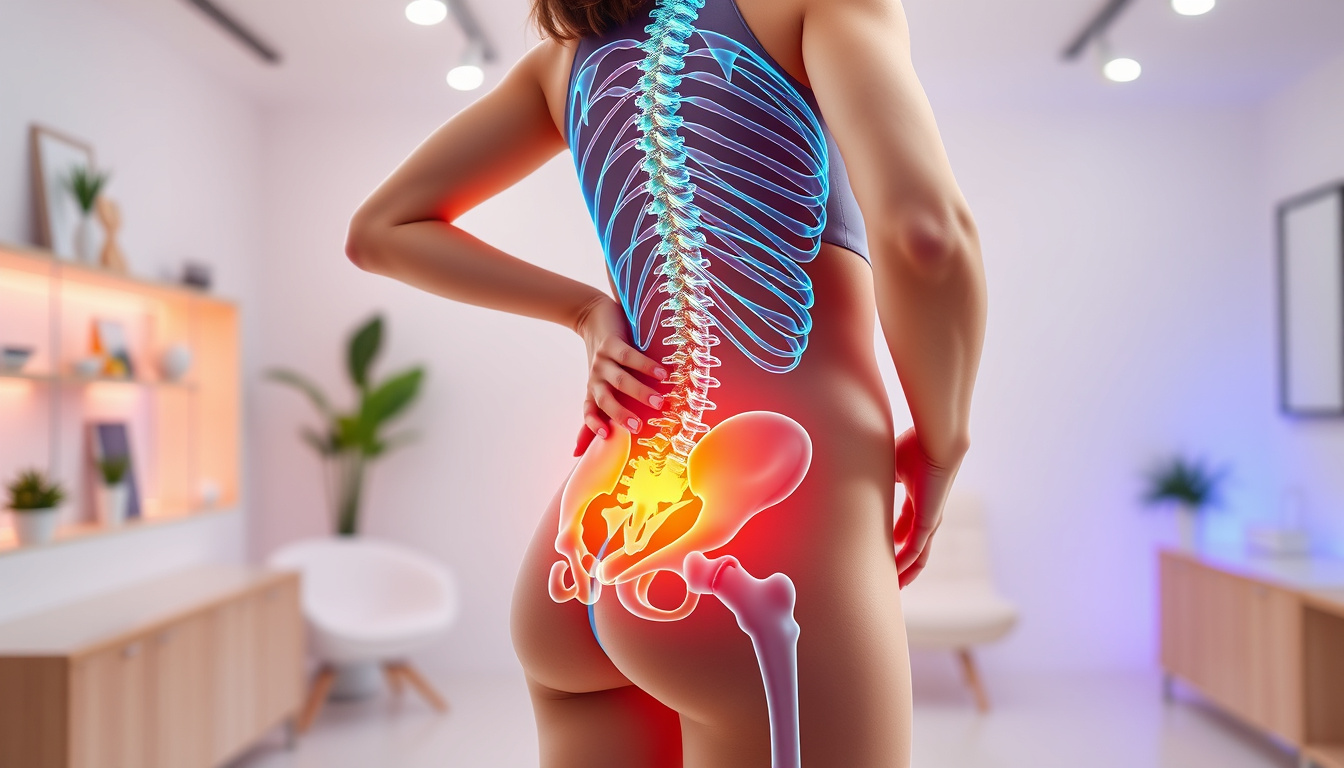
08 Sep Pelvic Alignment Tips for Improving Posture and Reducing Pain
Pelvic alignment holds your body upright and steady. It keeps your back, hips, and legs in balance and helps reduce pain. When your pelvis is aligned, your spine gets firm support. This lets you move with ease. But when the pelvis tilts or shifts, pain and muscle strain may follow. This article gives you practical tips to improve pelvic alignment, boost posture, and ease discomfort.
Understanding Pelvic Alignment: Why It Matters
The pelvis forms your body’s base. It links your spine and legs and takes the stress of each move. Proper alignment spreads these forces evenly. This even spread cuts the risk of injury and pain.
When the pelvis misaligns, it may tilt forward, backward, or to one side. A forward tilt can curve your lower back too much. A shift to one side may twist the pelvis. Such changes often tighten muscles, hurt joints, and irritate nerves.
Fixing pelvic alignment can lift posture, ease musculoskeletal pain, and boost function (source: Mayo Clinic).
Common Causes of Poor Pelvic Alignment
Here are some causes that shift the pelvis out of balance:
- Sedentary lifestyle: Long sitting weakens your core and hips. This makes the pelvis tip forward.
- Muscle imbalances: Tight hip muscles and weak glutes or abs pull the pelvis out of line.
- Injury or trauma: Falls, accidents, or repeated strain can shift the pelvis.
- Improper exercise techniques: Bad form reinforces the wrong muscle habits.
- Structural issues: Conditions like scoliosis or uneven leg length can tilt the pelvis.
Address these causes to keep your pelvis balanced and your posture strong.
Top Pelvic Alignment Tips to Improve Posture and Reduce Pain
1. Strengthen Your Core and Glutes
Your core (abs, lower back, and pelvic floor) holds the pelvis steady. Strong core muscles support the spine and help you control movement. Strong glutes also keep the pelvis from tipping forward.
Effective exercises:
- Planks
- Bridges
- Pelvic tilts
- Bird dogs
Add squats, lunges, and hip thrusts for strong glutes.
2. Stretch Tight Hip Flexors and Hamstrings
Tight hip flexors pull the pelvis forward. Tight hamstrings push it back. Stretching both groups helps keep your pelvis neutral.
Helpful stretches:
- Hip flexor stretch (lunging quad stretch)
- Hamstring stretch (seated or standing)
- Child’s pose to relax the hips
Aim to stretch daily, especially if you sit for long periods.
3. Practice Pelvic Tilts and Awareness Exercises
Pelvic tilts are simple moves. They train you to feel and hold the right pelvic position.
How to do a pelvic tilt:
- Lie on your back with knees bent and feet flat.
- Tighten your abs to press your lower back into the floor.
- Tilt your pelvis upward and hold for a few seconds, then relax.
Repeat 10 to 15 times several times a day to teach your body a neutral posture.

4. Maintain Proper Sitting and Standing Posture
Good posture shapes good pelvic alignment.
- Sitting: Keep your feet flat, with hips and knees at a 90-degree angle. Support your lower back. Avoid slouching or leaning.
- Standing: Balance weight on both feet. Keep a slight bend in your knees and engage your core. Do not lock your knees or let the pelvis sway forward.
5. Use Supportive Equipment and Ergonomic Adjustments
Ergonomic chairs, lumbar supports, and standing desks help you keep a neutral pelvis during long hours of work. Cushions made to support the pelvis or a stability ball for sitting breaks can make a difference.
Signs You Might Have Pelvic Misalignment
Watch for these signals to act early:
- Chronic lower back pain or stiffness
- Uneven leg length or shoe wear
- Hip, groin, or knee pain without a clear cause
- A visible tilt or rotation in the pelvis
- Difficulty standing straight for long
If these signs stick around, consult a healthcare professional like a physical therapist.
Simple Pelvic Alignment Exercises to Try at Home
Try these exercises daily for better alignment:
-
Hip Bridge:
Lie on your back with knees bent and feet flat. Lift your hips and squeeze your glutes. Hold for five seconds and lower down. Do 10-15 repeats. -
Cat-Cow Stretch:
On hands and knees, arch your back like a cat and then drop your belly like a cow. Continue this for 1-2 minutes. -
Wall Squats:
Stand against a wall with your feet shoulder-width apart. Slide into a squat while keeping your pelvis neutral. Stand and repeat for 10 reps. -
Pelvic Clock:
Lie on your back with knees bent. Imagine a clock on your pelvis. Gently tilt toward each hour position. This builds awareness and control.
FAQ: Pelvic Alignment and Posture
Q1: How do I know if my pelvis is misaligned?
A1: Look for lower back pain, a tilt noticed by a healthcare provider, uneven hips, or trouble holding good posture. Simple tilt tests may show imbalance.
Q2: Can pelvic misalignment cause leg pain?
A2: Yes. A tilted pelvis changes the movement of the hips and legs. This may pinch nerves or muscles and cause leg pain or numbness.
Q3: What quick steps can I take to improve pelvic alignment during the day?
A3: Keep mindful posture, do gentle pelvic tilts, take breaks from sitting, and use your core muscles regularly.
Final Thoughts: Take Control of Your Pelvic Alignment for Better Health
Good pelvic alignment affects your posture, pain level, and everyday movement. Strengthen your core and glutes, stretch tight muscles, practice pelvic tilts, and embrace good ergonomic habits. These steps help your body find balance.
Start today and feel more comfortable and confident in every move. If pain continues, seek help from a physical therapist who can guide you with a personalized plan.
Don’t wait—take charge of your pelvic health and enjoy improved posture and less pain for years to come.
Sorry, the comment form is closed at this time.