
15 Aug Spinal Stenosis Symptoms, Causes, and Effective Treatment Options Explained
Spinal stenosis is a condition that many people face as they get older. This guide explains spinal stenosis symptoms, causes, and treatments. It helps you spot signs early and take the proper steps.
What is Spinal Stenosis?
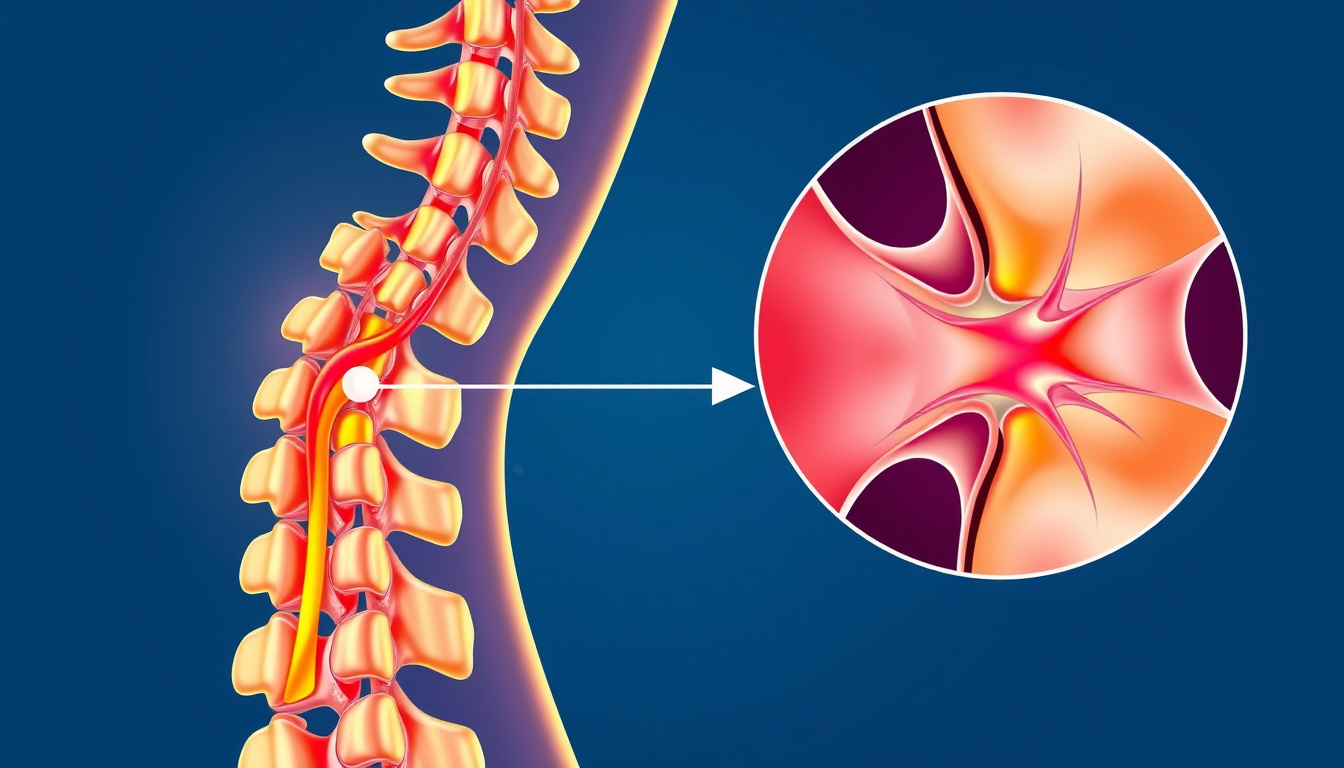
Spinal stenosis means the space in your spine gets narrow. This narrowing presses on nerves. It can happen anywhere along your spine. It is most common in the lower back and the neck. Nerve pressure brings pain, numbness, or weakness that may hurt daily life.
Common Spinal Stenosis Symptoms to Watch For
Early signs of spinal stenosis can improve outcomes. Symptoms grow slowly and become worse with time. Some signs are:
- Lower back or neck pain: Constant pain that does not fade with rest.
- Numbness or tingling: This occurs in your legs, feet, arms, or hands.
- Muscle weakness: Trouble walking, balancing, or holding objects.
- Cramps or spasms: They appear after long periods of standing or walking.
- Reduced sensation: You may feel less in the lower body or extremities.
- Sciatica: A sharp, shooting pain down the legs.
- Difficulty with fine motor skills: This can happen when the neck is affected.
In severe cases, spinal stenosis can disturb bladder or bowel control. Seek help immediately if that happens.
What Causes Spinal Stenosis?
Spinal stenosis happens when changes in the spine narrow the nerve spaces. Many causes focus on aging and wear. The causes include:
- Osteoarthritis: Joint wear leads to bone spurs that reduce space.
- Herniated discs: These bulge or break and press on nerves.
- Thickened ligaments: These stiffen and press on the cord.
- Spinal injuries: Trauma may cause fractures that narrow the space.
- Congenital spinal stenosis: Some are born with a small spinal canal.
- Tumors: Rare growths inside the spine may press on nerves.
Knowing these causes allows doctors to plan the right treatment.
Diagnosing Spinal Stenosis: What to Expect
If you feel spinal stenosis signs, get a full check-up. Diagnosis uses these steps:
- Medical history and exam: Doctors check your pain, reflexes, and movement.
- Imaging tests: MRI scans show soft tissues and nerve pressure. X-rays and CT scans show bones.
- Nerve studies: Electromyography (EMG) checks nerve and muscle responses.
A proper diagnosis tells spinal stenosis apart from similar issues like sciatica or neuropathy.
Effective Treatment Options for Spinal Stenosis
The goal is to relieve pain, boost function, and live better. Treatments come in gentle therapies or surgery, based on severity.
1. Non-Surgical Treatments
Usually, treatment starts with simple care:
- Physical therapy: Exercises raise strength, balance, and flexibility. They help free the nerves.
- Medications: Pain pills like NSAIDs (ibuprofen) calm inflammation and pain. Sometimes, muscle relaxants or nerve pain drugs are used.
- Epidural steroid injections: These shots calm nerve inflammation for brief relief.
- Activity modification: Changing activities that hurt symptoms and adding light exercise.
- Assistive devices: Braces or canes can ease the strain on your back.
2. Surgical Treatments
Surgery is an option when simple care does not help, or symptoms grow worse. Common procedures are:
- Laminectomy: Removing a part of the vertebra to give nerves more room.
- Foraminotomy: Widening the openings where nerves leave the spine.
- Spinal fusion: Joining two or more vertebrae for stability.
- Interspinous spacers: Implanted devices help maintain space between vertebrae.
Surgery often works well but depends on your health and the problem’s extent. Always talk to a spine expert for the best plan.

Lifestyle and Home Remedies to Manage Spinal Stenosis
Living well means making small changes every day:
- Keep a healthy weight to lower spine stress.
- Do low-impact exercises like walking, swimming, or cycling.
- Practice good posture to protect your back.
- Use heat or cold packs on painful spots.
- Take breaks from long periods of sitting or standing. Stretch often.
These habits help your spine stay strong and keep symptoms down.
Frequently Asked Questions About Spinal Stenosis
Q1: What is the difference between spinal stenosis and sciatica?
A1: Spinal stenosis means a narrow spine that presses on nerves. Sciatica is the leg pain that can come from this pressure.
Q2: Can spinal stenosis be reversed?
A2: Spinal stenosis comes from lasting changes in the spine. It usually does not reverse. However, you can manage or lessen symptoms with treatment and changes in your routine.
Q3: How long does it take to recover from spinal stenosis surgery?
A3: Recovery time varies. It usually takes weeks or a few months. It depends on the surgery and your health.
Why Early Diagnosis and Treatment Matter
Ignoring spinal stenosis signs can lead to lasting nerve damage. An early diagnosis creates more choices for treatment. New tests and treatments now make it possible to treat the condition better. Many patients gain relief with simple treatment, while surgery may be saved for serious cases.
Conclusion: Take Control of Your Spine Health Today
If you have ongoing back or neck pain, numbness, or weakness, see your doctor about spinal stenosis. Knowing the signs, causes, and available treatments can help guide your choices. Do not let spinal stenosis hold you back—talk with your healthcare provider. Together, you can find relief and move toward better mobility today!
Sorry, the comment form is closed at this time.