
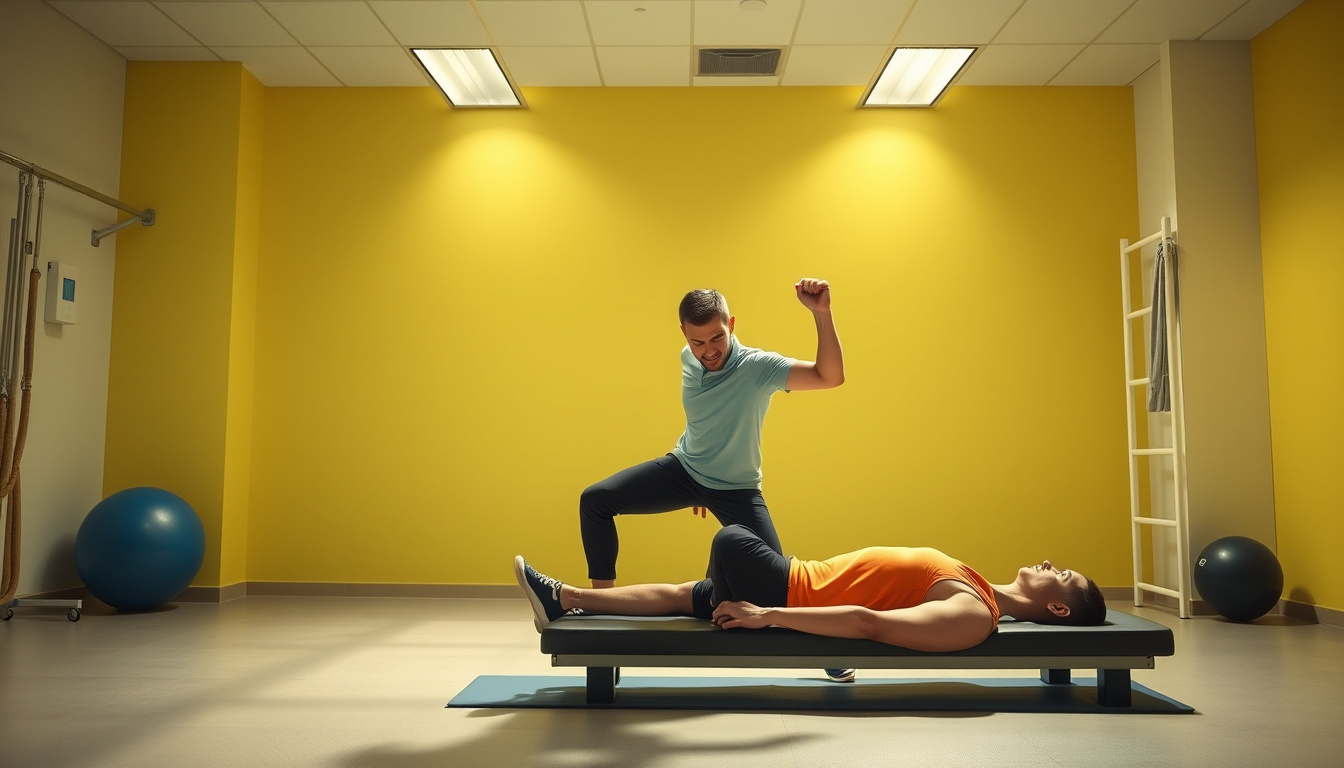
25 Jul Functional Rehabilitation: Key Strategies to Restore Mobility and Strength Quickly
Recovering from an injury or surgery needs focused steps. Regaining movement and strength is the goal. Functional rehabilitation works to bring back natural body moves. It helps you resume daily tasks quickly and safely. In this article, we share main tactics for functional rehabilitation. We show its benefits and give clear tips for fast recovery.
What Is Functional Rehabilitation?
Functional rehabilitation is a patient-first path. It restores exact moves and functions, not just muscle strength in parts. Traditional rehab may build muscle or endurance, but functional rehab brings back movement patterns you use every day or in sports. It boosts motor control, coordination, and overall performance. These gains matter for lasting recovery.
By fixing the root of your movement limits and weakness, this method cuts re-injury risks and improves long-term progress.
Why Functional Rehabilitation Matters
Whether you recover from surgery, a sprain, or a chronic condition, functional rehabilitation gives you many benefits:
- Restores natural movement: It rebuilds whole-body motion instead of working on single muscles.
- Reduces compensation patterns: It fixes uneven movements that may cause extra strain.
- Speeds up recovery: Focusing on real-life activities helps you regain independence faster.
- Improves strength and flexibility: It balances gains in strength with increased mobility.
- Enhances neuromuscular control: It retrains your nervous system to coordinate muscle actions well.
These benefits show why this approach is key in many recovery plans.
Key Strategies for Effective Functional Rehabilitation
A clear plan, set to your needs, helps you move and build strength fast. Here are the main strategies experts follow:
1. Comprehensive Assessment and Goal Setting
First, a specialist or physical therapist does a full assessment. They test:
- Your range of motion (ROM)
- Muscle strength
- Posture and walking patterns
- Everyday movements
With these findings, they set clear and measurable goals based on your life and recovery pace. Tailored goals boost your drive and guide the rehab process.
2. Early Controlled Mobilization
Studies show early movement after injury or surgery keeps you from getting stiff or losing muscle. Gentle, controlled actions preserve joint motion and spark tissue healing. Early steps can be:
- Passive range of motion moves
- Assisted stretching
- Light isometric contractions
This early work stops issues like joint contractures and muscle loss.
3. Progressive Strength Training with Functional Focus
After you regain basic motion, strengthening moves are added. They matter because they mimic real-life actions. This means:
- Using moves like squats, reaching, or lifting
- Including weight-bearing exercises for strong bones and joints
- Gradually raising resistance and move complexity
Functional strength work builds muscles in natural ways, boosting performance and injury protection.
4. Neuromuscular Re-education and Balance Training
Injury can affect how well your nerves coordinate muscles. Neuromuscular re-education trains your sense of balance and coordination. Examples include:
- Exercises on a balance board
- Simple coordination drills, like step patterns
- Practicing everyday tasks, such as walking on uneven ground
These tasks improve body awareness and lower the risk of falls or repeated injuries.

5. Incorporation of Cardiovascular Conditioning
Staying fit in your heart and lungs helps healing and overall health. Low-impact exercises like cycling or swimming work best early on. This broad plan builds stamina along with strength and motion.
6. Functional Activity Simulation and Task-Specific Training
In later stages, rehab simulates daily tasks, work moves, or sport drills. Task training may include:
- Carrying grocery bags or lifting boxes
- Climbing stairs or ramps
- Throwing, running, or jumping (if it suits your progress)
This phase connects clinical rehab with real life. It gets you ready to resume your activities without injury.
Example Functional Rehabilitation Program Outline
Below is a weekly plan that shows key parts of functional rehabilitation:
| Week | Focus | Exercises |
|---|---|---|
| 1-2 | Assessment & early mobilization | Passive ROM, assisted stretches, light isometrics |
| 3-4 | Strength & neuromuscular control | Bodyweight squats, balance drills |
| 5-6 | Progressive resistance training | Weighted lunges, step-ups, resistance bands |
| 7-8 | Task-specific & cardiovascular | Stair climbing, light jogging, agility drills |
This plan can change with your injury, progress, and professional advice.
Frequently Asked Questions About Functional Rehabilitation
Q1: How soon should functional rehabilitation begin after injury?
Functional rehabilitation may start within a few days after injury or surgery if you have clearance. Early, controlled moves help stop stiffness and support recovery.
Q2: Can functional rehabilitation help with chronic pain and mobility issues?
Yes. It fixes movement problems and muscle imbalances that often lead to long-term pain and limits in mobility.
Q3: How is functional rehabilitation different from traditional physical therapy?
They share some goals. However, functional rehabilitation focuses on everyday moves and sports. It integrates neuromuscular control and task practice rather than just isolated muscle work.
Authoritative Insight: The Science Behind Functional Rehabilitation
Experts show that mixing strength work with neuromuscular re-education and task training gives better results. One study in the Journal of Orthopaedic & Sports Physical Therapy found that early functional rehab after ligament or joint injuries speeds recovery and improves outcomes.
Conclusion: Take Charge of Your Recovery with Functional Rehabilitation
If you are healing from injury or surgery, a functional rehabilitation plan can speed your return to daily life and boost long-term health. Focusing on natural motions, steady strength building, and neuromuscular work helps you regain movement more fully.
Don’t wait. Talk to your rehab professional about a personalized functional rehabilitation plan. Whether you need to go back to work, sports, or enjoy easy, pain-free movement, functional rehabilitation can help. Start your path to renewed strength and freedom of movement today!
Sorry, the comment form is closed at this time.